


The best cheap acoustic and acoustic electric guitars under $500 are guitars that provide the most value for the lowest price.
The value of an acoustic guitar depends on its sound quality, overall playability, comfort, versatility, and build quality. The value of an acoustic-electric guitar depends on its pickup system quality, sound quality, playability, versatility, comfort, and overall construction quality. The choice of tonewoods, especially the difference between solid and laminate woods, plays a significant role in the instrument’s tone and build quality. Good acoustic and electro acoustic guitars under $500 typically employ a combination of solid and laminate tonewoods, along with well-designed bracing to achieve a balanced and resonant tone. The guitar’s body shape, size, and bracing patterns significantly affect the sound, versatility, and comfort of the acoustic guitar. For electro-acoustic models, the inclusion of electronics and the quality of the pickup system adds versatility and expands the range of tones the guitar can produce.
When it comes to price, the acoustic and acoustic electric guitar manufacturers face the challenge of balancing the cost and quality of the guitar. The lower the price the harder it is to craft a guitar that offers a satisfying playing experience. Acoustic and electro acoustic guitars under $200 often fall short in terms of materials, electronics, and construction quality, resulting in subpar sound and playability. Hence, the cheap acoustic and electric acoustic guitars discussed in this article range from approximately $180 to $499, providing a sweet spot of affordability and quality.
The best cheap sub $500 acoustic and acoustic-electric guitars include the Yamaha FG830 acoustic guitar, Recording King ROS-11-FE3-TBR acoustic-electric guitar, and Gretsch G9500 Jim Dandy acoustic guitar. In the showcase below you can see the 3 guitars highlighted together with their most prominent features.
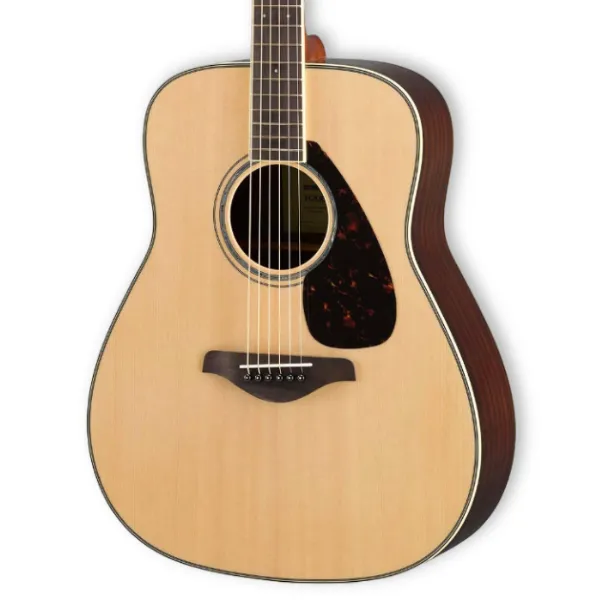
Solid Top
Excellent volume and Projection
Balanced Tone
Great Versatility
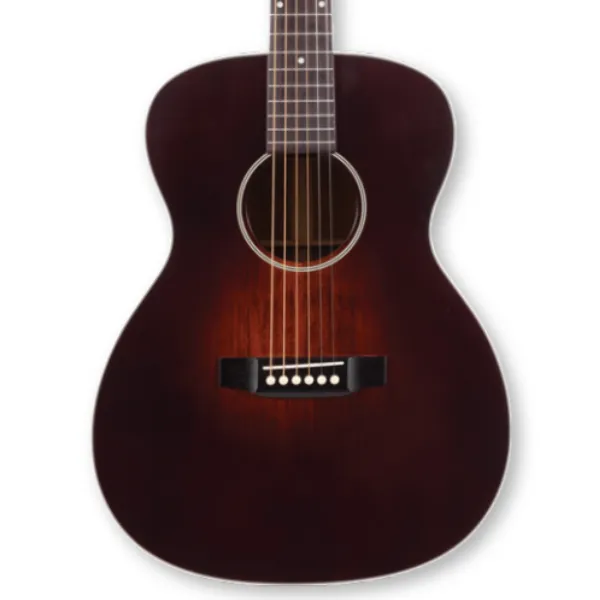
All-Solid Wood Body
Comfortable Neck
Clear, Balanced Sound
Fishman Electronics
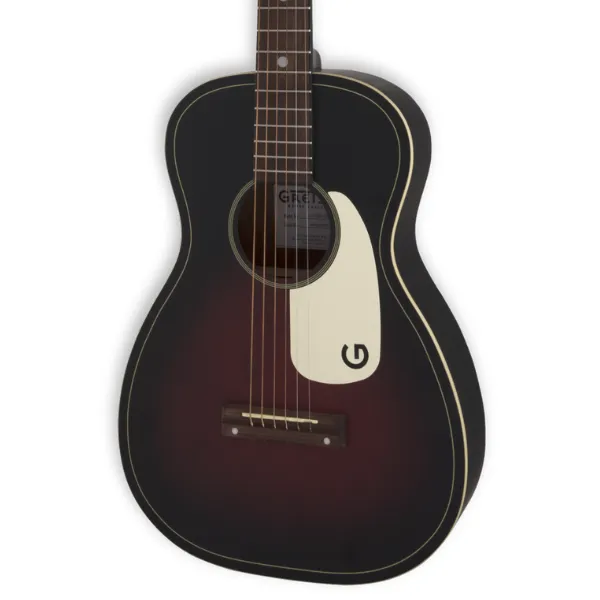
Affordable Parlor
Vintage Blues Tone
Short Scale Length
Comfortable Playability
The top 10 best cheap acoustic and acoustic-electric guitars under $500 are ranked and categorized based on their ideal use cases in the list below.
- Yamaha FG830 – Best acoustic value for the money
- Recording King ROS-11-FE3-TBR Series 11 – Best acoustic electric value for the money
- Gretsch G9500 Jim Dandy – Best cheapest acoustic
- Tanglewood Blackbird TWBB SDE – Best cheapest acoustic electric
- Yamaha FG800J – Best low-cost acoustic for beginners
- Fender CD-60S – Budget beginner guitar
- Recording King RPS-11-FE3-TBR Series 11 – Best parlor under $500
- Martin LX1 Little Martin – Best affordable Martin
- Taylor GS Mini Sapele – Best inexpensive acoustic guitar with a small body
- Big Baby Taylor – Best cheap Taylor
1. Yamaha FG830
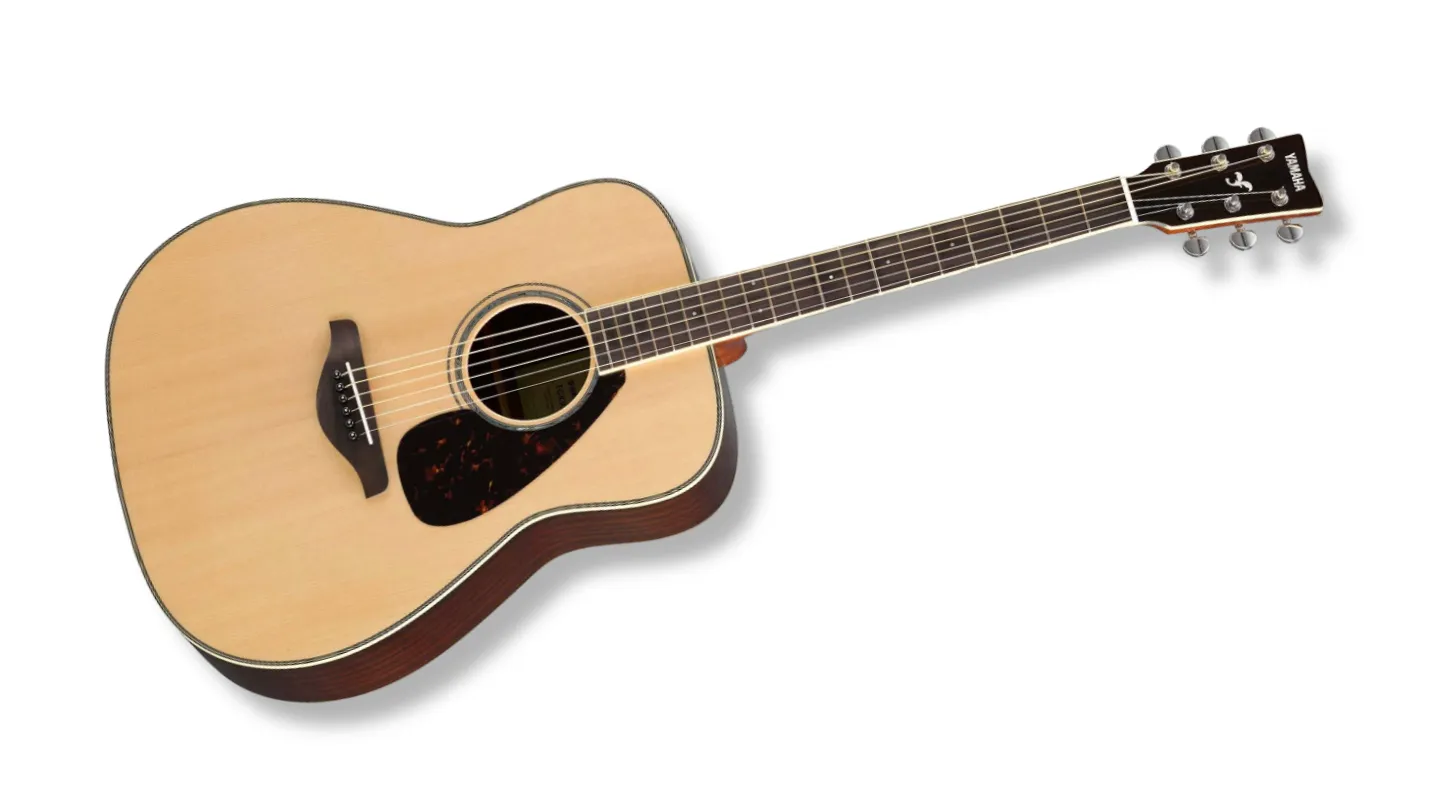
The Yamaha FG830 is a top-rated dreadnought acoustic guitar with a solid Sitka spruce top, rosewood laminate back and sides, and scalloped bracing. The FG830 belongs to a line of Yamaha FG series models, making the FG830 a part of the best-selling acoustic guitar series worldwide. The FG830 is a direct upgrade to the FG700, with the FG830’s scalloped bracing and a slimmer, tapered neck with rounded fingerboard edges. Yamaha FG830 is the best deal under $500 in terms of value for the money.
Sound and Tone (5/5): The FG830 displays an impressive sound and tone. The well-crafted top, coupled with the scalloped bracing, provides a good attack that resonates with every strum. The tone is balanced across the low and high ends with outstanding bass and treble response. Additionally, the scalloped bracing provides higher volume and the guitar has excellent projection. This makes the Yamaha FG 830 suitable for both solo and ensemble performances. The Yamaha FG830 earns a 5/5 rating for its sound and tone.
Playability and Comfort (4/5): The Yamaha FG830 guitar plays smoothly up and down the neck. Although the action can be slightly high right out of the box on some models. The dreadnought body size is large, and the body is a bit bulky. The larger body size should be a consideration for smaller players or those who prefer a more compact instrument. The Yamaha FG830 earns a 4/5 rating for its playability and comfort.
Versatility (4/5): The Yamaha FG830, as a dreadnought guitar, is great for strumming and rhythm playing. The FG830 performs particularly well in country music because of its dreadnought body shape. The larger body size of the dreadnought brings power and clarity to the chords. The power and clarity make the FG830 a great guitar for lively rhythms and energetic strumming of country music. The Yamaha FG830 is also great for fingerpicking due to its solid volume and projection where the bass notes remain distinct within the mix. The sustain of the FG 830 makes it easier to hold sustained notes and chords. This lends well to melodic and harmonic effects commonly used in jazz and Americana, making the FG 830 highly versatile. The Yamaha FG830 earns a 4/5 rating for its versatility.
Construction and Design (4/5): The FG830 has a smooth finish and excellent build quality which give it the appearance of a much more expensive guitar. The FG830 features a rosewood laminate, a step up from the nato wood found in the FG800. However, the plastic bridge pins could be upgraded to bone pins for an even better sound. The abalone in the soundhole adds a touch of elegance contributing to the premium feel of the instrument. The Yamaha FG830 earns a 4/5 rating for its construction and design.
Yamaha FG830 Pros: Solid top, great attack, and intonation, balanced tone, excellent volume and projection, versatility for strumming, rhythm playing, and fingerpicking, premium appearance
Yamaha FG830 Cons: Slightly high action out of the box, bulky body size may not suit smaller players, plastic bridge pins could be upgraded for better sound

Recommendation for Yamaha FG830
The FG830 is a top-tier Yamaha acoustic guitar that offers excellent value for under $500. The main reason to buy the Yamaha FG830 is its superb sound quality and versatility. However, players who prefer a smaller, less bulky instrument might want to consider other options. The Yamaha FG830 stands out as a good-value choice for any guitarist looking for an affordable and great-sounding acoustic guitar.
| Yamaha FG830 Specifications | |
| Body Type | Dreadnought |
| Top Material | Solid Spruce |
| Back and Sides Material | Laminate Rosewood |
| Bracing | Scalloped |
| Neck Material | Nato |
| Scale Length | 25 9/16″ (650 mm) |
| Fingerboard Material | Rosewood |
| Saddle/Nut Material | Urea |
| Frets | 20 |
| Finish | Gloss (body), Matte (neck) |
| Typical price in the USA | Around $349 (prices may vary) |
| Where to Buy | Yamaha Guitars authorized dealers, Sweetwater, Guitar Center |
2. Recording King ROS-11-FE3-TBR Series 11
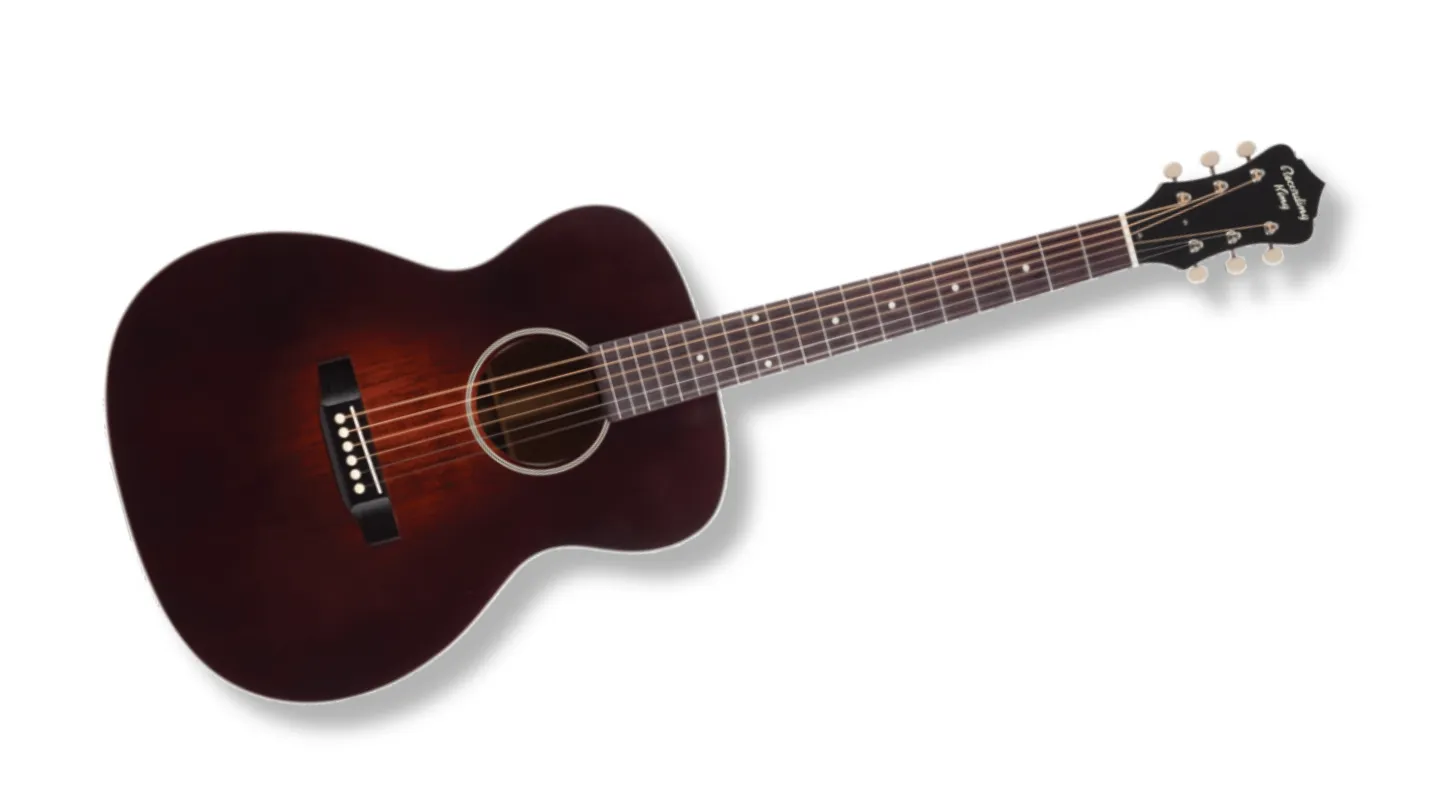
The Recording King ROS-11-FE3-TBR is an all-solid wood acoustic electric guitar with a 000 (Triple-O) body shape. The ROS-11-FE3-TBR features a solid Sitka spruce top, solid African mahogany back and sides, forward-shifted X-style bracing, and Fishman Presys VT Sonitone pickup. The ROS-11-FE3-TBR is part of the Recording King Series 11 line. The ROS-11-FE3-TBR is an improvement over the previous ROS-9 (Recording King Series 9 model). The ROS-11-FE3-TBR features all solid wood construction whereas on ROS-9 only the top was solid. The ROS-11-FE3-TBR offers exceptional value for the money as all-solid wood acoustic electric guitars are rare to find in the sub $500 price range.
Sound and Tone (5/5): The ROS-11-FE3-TBR offers a clear and balanced sound, with distinctly separable notes even within complex chords. The solid Sitka spruce top adds a resonant high-end, while the solid African mahogany sides and back bring the overall tone closer to a midrange pitch. This combination makes the sound of the ROS-11-FE3-TBR stand out in a band mix very well. The ROS-11-FE3-TBR’s voicing carries a warm, earthy woodiness, reminiscent of aged mahogany, that shines through with fingerstyle play. The bass response is full and round, adding a pleasing depth without overpowering the treble frequencies. Despite the smaller 000 body size, the guitar has excellent projection, maintaining a balanced and clear tone. The Recording King ROS-11-FE3-TBR earns a 5/5 rating for its sound and tone.
Pickup System and Electronics (4/5): The Recording King ROS-11-FE3-TBR features a Fishman Presys VT Sonitone pickup system. The Presys VT Sonitone pickup system uses an under-saddle piezo transducer. An under-saddle transducer is a thin strip of piezoelectric material placed under the saddle of the guitar. The transducer converts the vibrations of the strings into an electrical signal, which is then amplified. The ROS-11-FE3-TBR’s pickup system reproduces the natural acoustic tone reasonably well, capturing the warmth of the mahogany and the brightness of the spruce top. The pickup system handles a moderate dynamic range effectively. Aggressive strumming, however, can sometimes push the system to its limits, resulting in slight clipping. The ROS-11-FE3-TBR’s pickup system is moderately prone to feedback at higher volumes, a common characteristic of under-saddle transducers. The Fishman Presys VT Sonitone system includes a simple volume and tone control, offering basic EQ adjustments. The controls are located above the low E string in the soundhole of the guitar. The ROS-11-FE3-TBR’s Fishman Presys VT Sonitone system is active and requires a 9V battery. Battery life typically lasts for several months of regular playing. The Recording King ROS-11-FE3-TBR earns a 4/5 rating for the performance of its pickup system and electronics.
Playability and Comfort (5/5): The ROS-11-FE3-TBR has a 1.75-inch (44.45 mm) nut that offers wider string spacing, enhancing comfort for fingerpicking. The 24.9-inch (632.45 mm) scale length has a slightly lower string tension when compared to the 25.5-inch (650 mm) scale. The slightly lower string tension makes it easier to press the strings against the fretboard when fretting chords or notes. The neck profile is a shallow C-shape with a slightly flattened back. The neck strikes a balance between comfort and substance, avoiding the bulkiness of vintage-style necks while providing a comfortable grip and a slim feel. The action is low and feels effortless. The smaller 000 body provides a comfortable playing experience, especially for fingerstyle players or those who prefer a less bulky instrument. The Recording King ROS-11-FE3-TBR earns a 5/5 rating for its playability and comfort.
Versatility (4/5): The clarity and balance of the ROS-11-FE3-TBR are great for both chord strumming and fingerstyle techniques. However, heavy strummers who rely on aggressive attack might find ROS-11-FE3-TBR’s dynamic range slightly limited. The ROS-11-FE3-TBR is a perfect fit for traditional folk, country, and old-time music. The songs of artists like Bob Dylan, Joan Baez, and early Joni Mitchell all sound great on this guitar. The warmth and responsiveness of the ROS-11-FE3-TBR also work well for Blues, especially for slide and fingerpicking techniques. The Recording King ROS-11-FE3-TBR earns a 4/5 rating for its versatility.
Construction and Design (5/5): The build of the ROS-11-FE3-TBR is solid and appealing, with high-grade solid mahogany back and sides. The satin finish highlights the natural wood grain, while the mahogany neck, with its comfortable C-shape profile and tight, straight grain, is sturdy and visually appealing. The guitar features an all-solid wood body and an ultra-thin zero-VOC finish. The ultra-thin finish enhances the resonance of the wood and is more environmentally friendly than polyurethane finishes. The genuine bone saddle offers fantastic sustain and clarity. The Recording King ROS-11-FE3-TBR earns a 5/5 rating for its construction and design.
Recording King ROS-11-FE3-TBR Pros: All-solid wood construction, clear and balanced sound, comfortable playability, environmentally friendly finish.
Recording King ROS-11-FE3-TBR Cons: Limited dynamic range for aggressive strumming.
Recommendation for Recording King ROS-11-FE3-TBR
The Recording King ROS-11-FE3-TBR Series 11 is an excellent choice for those seeking a quality electric acoustic guitar that offers great value for the money. Its clear and balanced sound, comfortable playability, and solid build make it a worthwhile purchase. However, aggressive strummers who rely on a heavy attack might find the dynamic range slightly limited.
| ROS-11-FE3-TBR Specifications | |
| Body Type | 000 |
| Top Material | Solid Sitka Spruce |
| Back and Sides Material | Solid African Mahogany |
| Bracing | Scalloped X |
| Neck Material | Mahogany |
| Scale Length | 24.9″ (632.46 mm) |
| Fingerboard Material | Padauk |
| Saddle/Nut Material | Bone |
| Frets | 20 total (14 frets clear) |
| Finish | Ultra Thin Zero-VOC Satin Finish |
| Typical price in the USA | Around $499 (prices may vary) |
| Where to Buy | Recording King authorized dealers, Guitar Center, Sweetwater |
3. Gretsch G9500 Jim Dandy
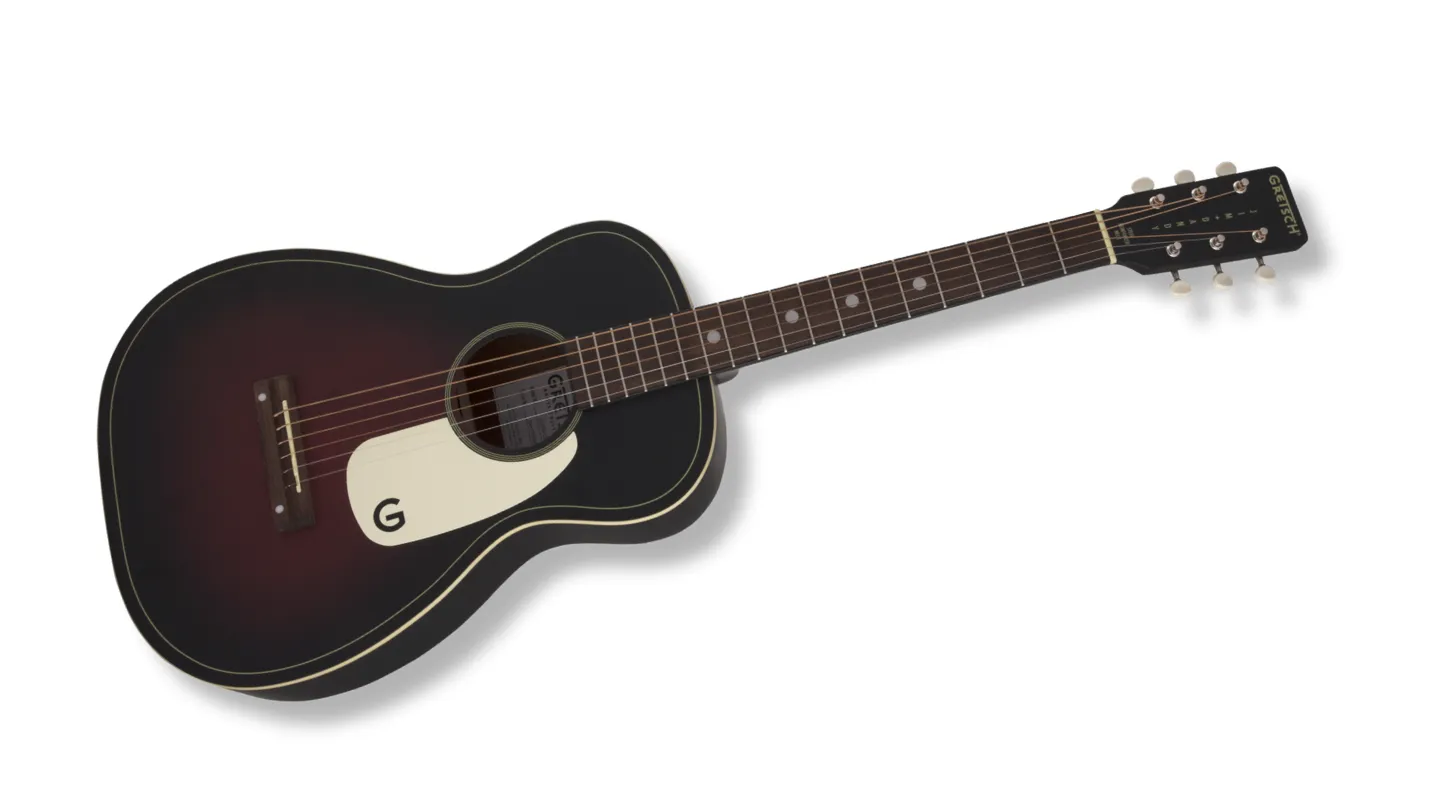
The Gretsch G9500 Jim Dandy is a parlor acoustic guitar with a vintage design inspired by Gretsch’s earliest instruments. The G9500 Jim Dandy features an all-laminate basswood body, X bracing, and a 24-inch (610 mm) scale length. Gretsch’s G9500 Jim Dandy is the cheapest acoustic guitar that delivers great old-timey blues and country music tone for an affordable price.
Sound and Tone (4/5): The sound and tone of the G9500 Jim Dandy has a distinct delta blues feel. The G9500 Jim Dandy produces a focused, barky, parlor tone that stands out even when playing alongside regular-sized guitars. The tone of G9500 Jim Dandy is pleasant and bluesy with rich overtones. However, the tone becomes thin and somewhat brittle with aggressive playing and strumming. The sound of the G9500 Jim Dandy is also somewhat boxy. Tuning the guitar a step down can help alleviate its boxy sound. However, a boxy sound is characteristic of parlor-sized guitars and should not be considered a negative aspect of the G9500. The Gretsch G9500 Jim Dandy earns a 4/5 rating for its sound and tone.
Playability and Comfort (4.5/5): The G9500 Jim Dandy is very comfortable to play because of its 24-inch (610 mm) scale length. The 24-inch (610 mm) scale length results in looser strings, requiring less effort to fret notes or chords, which makes the G9500 great for prolonged playing sessions and beginners. The action is comfortably low, and the small body size is particularly great for players with smaller stature. However, the narrow string spacing may make it harder to fret the notes precisely, if you have larger fingers. The Gretsch G9500 Jim Dandy earns a 4.5/5 rating for its playability and comfort.
Versatility (2/5): The Gretsch G9500 Jim Dandy is a great fit for genres like blues, folk, and old-time country music because of the G9500’s laminate basswood construction and parlor-sized body. The Parlor body size lacks projection and volume for heavy strumming but the G9500 Jim Dandy is ideal for fingerpicking and light strumming. The G9500 is perfect for swampy slide playing, blues licks with its authentic retro-style sound. However, the G9500 lacks versatility in other genres. The G9500 is more suited to delta blues than to accommodating diverse musical genres. The Gretsch G9500 Jim Dandy earns a 2/5 rating for its versatility.
Construction and Design (4/5): The G9500 Jim Dandy has a vintage-inspired design. The screened white purfling and rosette, smooth satin finish, and vintage sunburst finish evoke the charm of early 20th-century guitars. The unique finish options and old-timey look add to its appeal. The finish looks cheap upon closer inspection but that is to be expected at the affordable price point of G9500 Jim Dandy. The Gretsch G9500 Jim Dandy earns a 4/5 rating for its construction and design.
Gretsch G9500 Jim Dandy Pros: Affordable price point, distinctive delta blues tone, comfortable playability, ideal for blues, folk, and old-time country music, vintage aesthetics
Gretsch G9500 Jim Dandy Cons: Tone becomes thin with aggressive playing, boxy sound, lack of versatility
Recommendation for Gretsch G9500 Jim Dandy
The Gretsch G9500 Jim Dandy is an excellent choice for players seeking authentic vintage blues and parlor tone, combined with comfortable playability and affordability. However, if you’re looking for a versatile guitar that can handle various genres and playing styles with equal proficiency, or if you prefer a warm tone over a vintage, bright, slightly boxy sound, the Gretsch G9500 Jim Dandy may not be the best option for you.
| Gretsch G9500 Jim Dandy Specifications | |
| Body Type | Jim Dandy™ |
| Top Material | Basswood |
| Back and Sides Material | Basswood |
| Bracing | X-Bracing |
| Neck Material | Nato |
| Scale Length | 24″ (610 mm) |
| Fingerboard Material | Walnut |
| Saddle/Nut Material | Synthetic Bone |
| Frets | 18 (12 to Body), Vintage-Style |
| Finish | 2-Color Sunburst |
| Typical price in the USA | Around $189 (prices may vary) |
| Where to Buy | Gretsch authorized dealers, Guitar Center |
4. Tanglewood Blackbird TWBB SD E
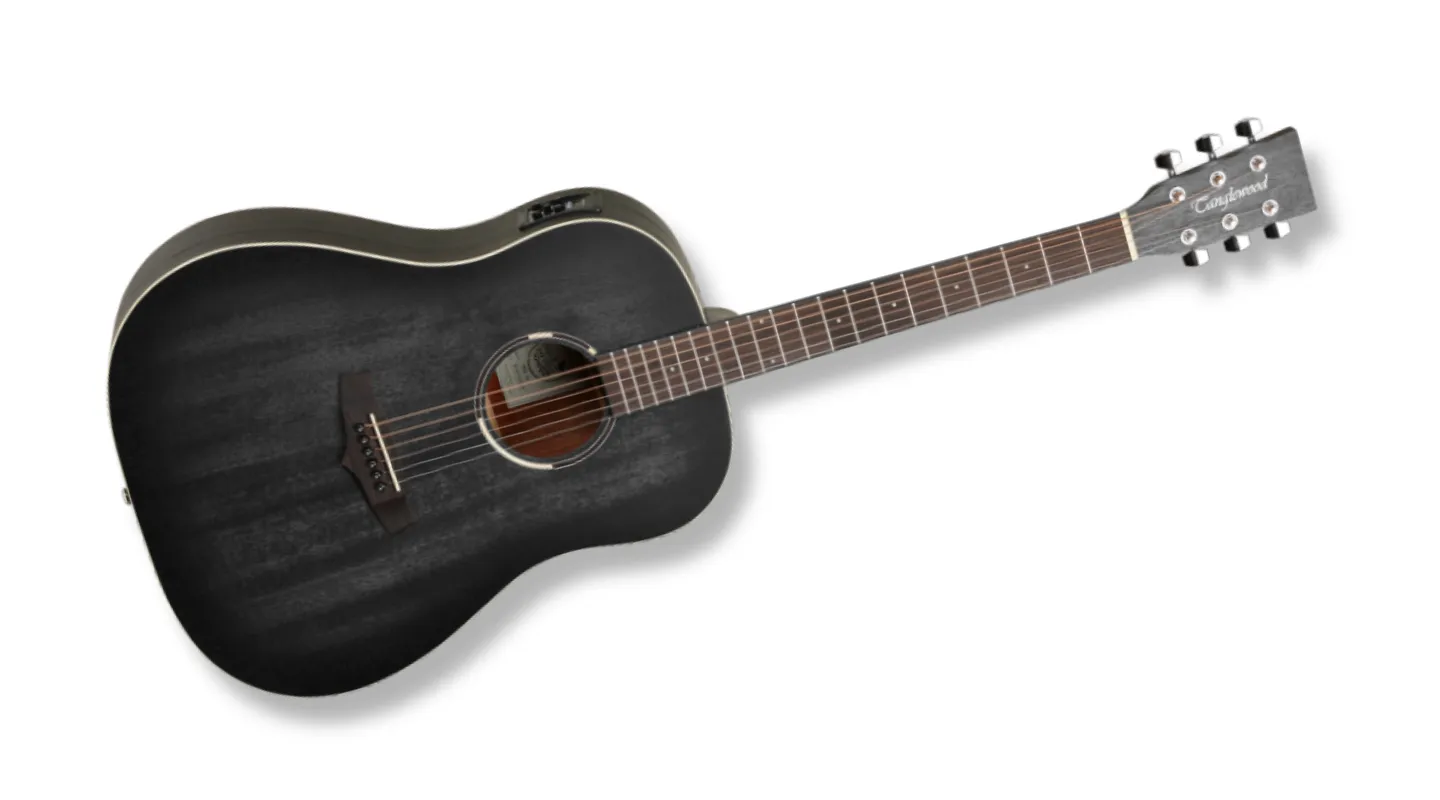
The Tanglewood Blackbird TWBB SD E is an affordable electro-acoustic slope-shouldered dreadnought guitar. The Blackbird TWBB SD E has an all-laminate mahogany body, a Tanglewood Premium Plus pickup system, and a built-in tuner. The TWBB SD E model belongs to the Blackbird Tanglewood series. The Blackbird series builds upon the success of Tanglewood’s Crossroads models.
Sound and Tone (5/5): The tone of the Blackbird TWBB SD E is warm and punchy with rich overtones. The Blackbird TWBB SD E has good projection and a balanced tone, resonating and projecting very well for a cheap electro-acoustic guitar. The overall sound is not too bright or dull. However, the bass response is dry and thumpy, and can sound a little thin overall. The Tanglewood Blackbird TWBB SD E earns a 5/5 rating for its sound and tone.
Pickup System and Electronics (4/5): The Tanglewood Blackbird TWBB SD E features the Tanglewood Premium Plus pickup system. This system uses a piezo transducer under the saddle. Piezo transducers generate an electrical signal when compressed by the vibrations of the strings. This system reproduces the natural acoustic tone effectively, offering a balanced sound that’s neither too bright nor too dull. The Premium Plus handles dynamic range well, accommodating various playing styles from soft fingerpicking to aggressive strumming without noticeable clipping or distortion. Feedback issues are minimal, even at higher volumes. The 4-band EQ (bass, middle, treble, and presence) allows for precise tonal adjustments to suit various musical genres. The controls are easily accessible, and positioned on the upper bout of the guitar, facing the player. The Tanglewood Blackbird TWBB SD E earns a 4/5 rating for the performance of its pickup system and electronics.
Playability and Comfort (3/5): The Blackbird TWBB SD E is very comfortable and easy to play. The slope shouldered dreadnought design makes it a comfortable fit for players with smaller frames because it is slightly smaller and less bulky than a regular dreadnought. The TWBB SD E features a full C-shaped neck, which offers a comfortable grip for players with average-sized hands but may feel too thick for guitarists with small hands. The built-in tuner works great, although the Blackbird TWBB SDE kept going out of tune rather quickly. The Tanglewood Blackbird TWBB SDE earns a 3/5 rating for its playability and comfort.
Versatility (4/5): The Tanglewood Blackbird TWBB SD E works well for strumming, especially in genres like folk or blues. However, the TWBB SD E is less suitable for fingerstyle playing due to its bright highs and thin lows. Its dry tonal quality might also limit its suitability for genres requiring deeper and more resonant lows. The Tanglewood Premium Plus pickup and preamp system include tone controls (bass, middle, presence, and treble), which offer multiple options to adjust the tone of the guitar when plugged in. The Tanglewood Blackbird TWBB SDE earns a 4/5 rating for its versatility.
Construction and Design (4/5): The body of the TWBB SD E is crafted from laminated mahogany for the top, back, and sides. Laminated construction, while not as resonant as solid wood, provides enhanced durability and resistance to environmental changes. The neck is constructed of mahogany, capped with a Techwood fretboard and bridge. Techwood is a composite material combining African hardwood and resins. Techwood offers durability and a playing feel akin to traditional rosewood or ebony while being a more sustainable alternative. The Blackbird TWBB SD E has a premium ashy look. The ivory-colored binding combined with the black ashy finish gives the guitar a vintage vibe with a satin sheen. The Tanglewood Blackbird TWBB SDE earns a 4/5 rating for its construction and design.
Tanglewood Blackbird TWBB SD E Pros: Warm and balanced tone, good projection, comfortable body shape, versatile, Tanglewood Premium Plus pickup system with 4-band EQ, very cheap price point, built-in tuner
Tanglewood Blackbird TWBB SD E Cons: Minor buzzing issues, high action out-of-the-box, goes out of tune quickly.
Recommendation for Tanglewood Blackbird TWBB SD E
The Tanglewood Blackbird TWBB SDE is an affordable and versatile electro-acoustic guitar that delivers in terms of sound, playability, and aesthetics. It’s an excellent choice for beginners or players looking for a low price entry into the electro-acoustic world. However, some players might be discouraged by having to retune frequently because of the Blackbird TWBB SDE’s tendency to go out of tune quickly.
| Tanglewood TWBB SD E Blackbird Specifications | |
| Body Type | Slope Shoulder Dreadnought |
| Top Material | Hand Selected Mahogany |
| Back and Sides Material | Mahogany |
| Neck Material | Mahogany |
| Scale Length | 25 9/16 inches (650 mm) |
| Fingerboard Material | Techwood |
| Nut Width | 1-11/16″ (42.86 mm) |
| Frets | 20 |
| Finish | Satin, Smokestack Black |
| Typical Price in the USA | Around $209 (prices may vary) |
| Where to Buy | Tanglewood authorized dealers, Guitar Center, Musician’s Friend |
5. Yamaha FG800J
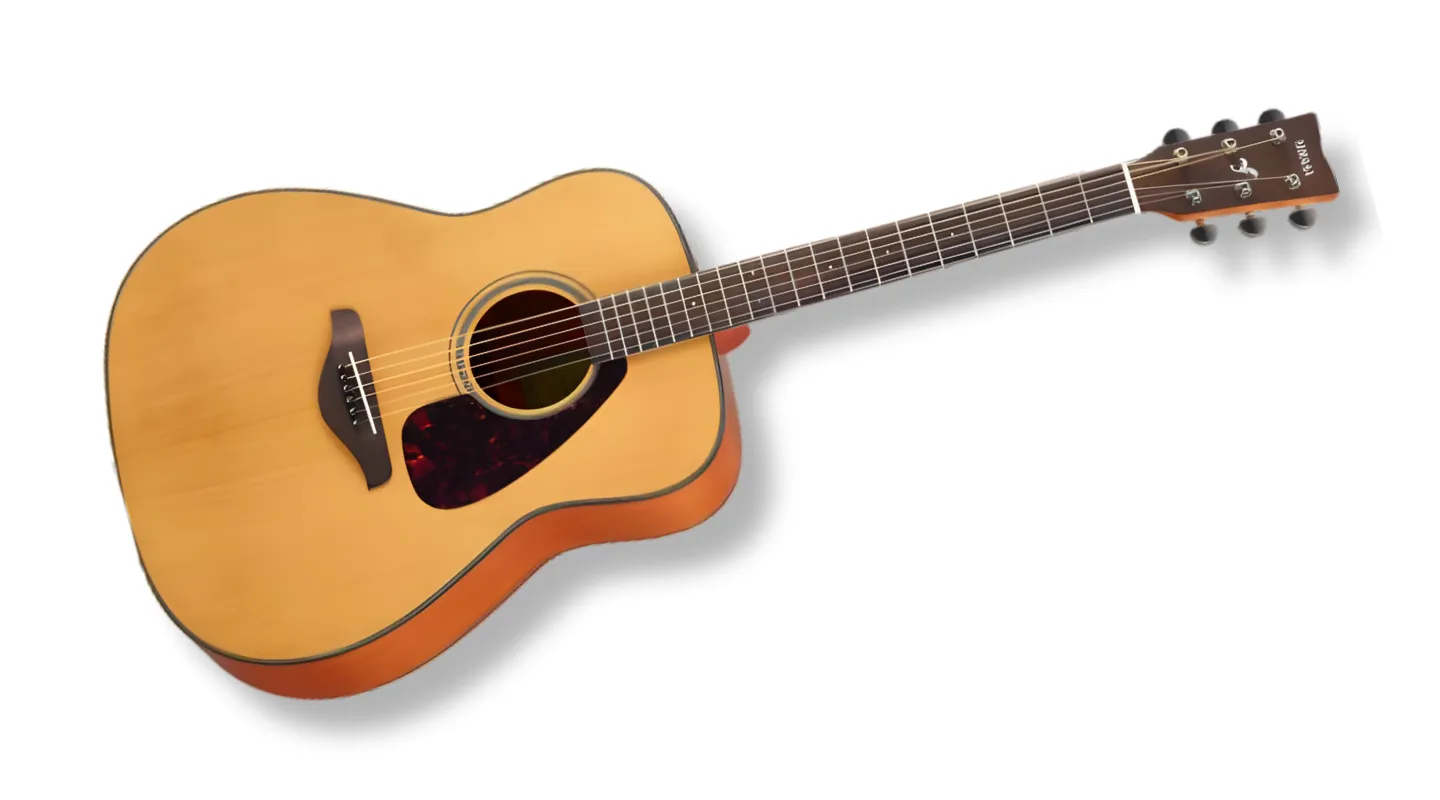
The Yamaha FG800J is an affordable dreadnought acoustic guitar with a solid spruce top, laminate nato/mahogany back and sides, 25-inch (635 mm) scale and scalloped bracing. The FG800J delivers louder and stronger sound, when compared to its FG700 predecessor, due to the scalloped bracing. As a member of the best-selling Yamaha FG series, the FG800J carries the legacy of excellent craftsmanship. Combined with the cheap price Yamaha FG800J is a great choice for a beginner looking for a good cheap guitar.
Sound and Tone (5/5): The Yamaha FG800J’s sound profile is balanced, rich, and warm, thanks to the solid spruce top’s resonance and the laminate nato’s warmth. The dreadnought body shape and scalloped bracing work in tandem to produce a lively and resonant sound, offering good volume and clarity even in midrange frequencies. The tone is punchy and warm with no muddiness. The bright highs from the solid spruce top fit into the overall sound profile very well and contribute to the liveliness of the FG800J’s tone. All these features combine to make the FG800J sound amazing for its low-cost price tag. The Yamaha FG800J earns a 5/5 rating for its sound and tone.
Playability and Comfort (4/5): The FG800J has a 25-inch (635 mm) scale length that makes pressing down the strings against the fretboard slightly easier compared to guitars with longer scales, like the Yamaha FG830 with a 25.5-inch (650 mm) scale. The setup features a nice and low action and no buzzing frets, although this can vary based on the quality of a specific guitar model. The sealed chrome tuners work smoothly. However, the dreadnought body might not be the most comfortable option for smaller players due to its bulkier, larger size. The Yamaha FG800J earns a 4/5 rating for its playability and comfort.
Versatility (5/5): The FG800J offers a good volume and clarity for both picking and strumming. The FG 800J’s dreadnought body shape and solid spruce top make it great for folk and country music. The lively and resonant sound, along with good volume and clarity, also make FG800J suitable for pop and rock. The FG800J is very versatile and performs well with fingerpicking, flatpicking, and strumming. The Yamaha FG800J earns a 5/5 rating for its versatility.
Construction and Design (5/5): The FG800J is aesthetically pleasing with its warm satin gloss body and smooth satin finish on the neck. The simple black pickguard and understated dot inlays add to its timeless, classic acoustic guitar aesthetic. The clear gloss finish over the solid Sitka spruce top showcases the wood’s natural grain patterns. The die-cast tuners ensure stable tuning, while the rosewood bridge provides a solid anchor point for the strings. The scalloped X-bracing enhances the guitar’s projection and responsiveness. The FG800J comes with a plastic saddle and plastic nut which provide less resonance than a bone saddle and bone nut would. However, at the price point of the FG800J, it is very rare to find a guitar with a saddle and nut made from bone. The Yamaha FG800J earns a 5/5 rating for its construction and design.
Yamaha FG800J Pros: Rich and warm sound, quality build with solid spruce top, scalloped bracing, cheap price tag, versatile.
Yamaha FG800J Cons: Bulky body size may not suit smaller players, plastic bridge pins could be upgraded for better sound.
Recommendation for Yamaha FG800J
The Yamaha FG800J is a great inexpensive option for beginners seeking a versatile and easy-to-play acoustic guitar. FG800J’s sound quality, comfort, and excellent construction make it a valuable asset for any guitarist. However, smaller players might find the bulky dreadnought body uncomfortable. Nonetheless, for its price tag, the Yamaha FG800J offers a solid foundation for beginner guitarists that does not break the bank.
| Yamaha FG800J Specifications | |
| Body Type | Dreadnought |
| Top Material | Solid Spruce |
| Back and Sides Material | Nato/Mahogany |
| Bracing | Scalloped |
| Neck Material | Nato |
| Scale Length | 25″ (634 mm)) |
| Fingerboard Material | Rosewood |
| Saddle/Nut Material | Urea |
| Frets | 20 |
| Finish | Gloss (body), Matte (neck) |
| Typical price in the USA | Around $229 (prices may vary) |
| Where to Buy | Yamaha authorized dealers, Guitar Center, Sweetwater. |
6. Fender CD-60S
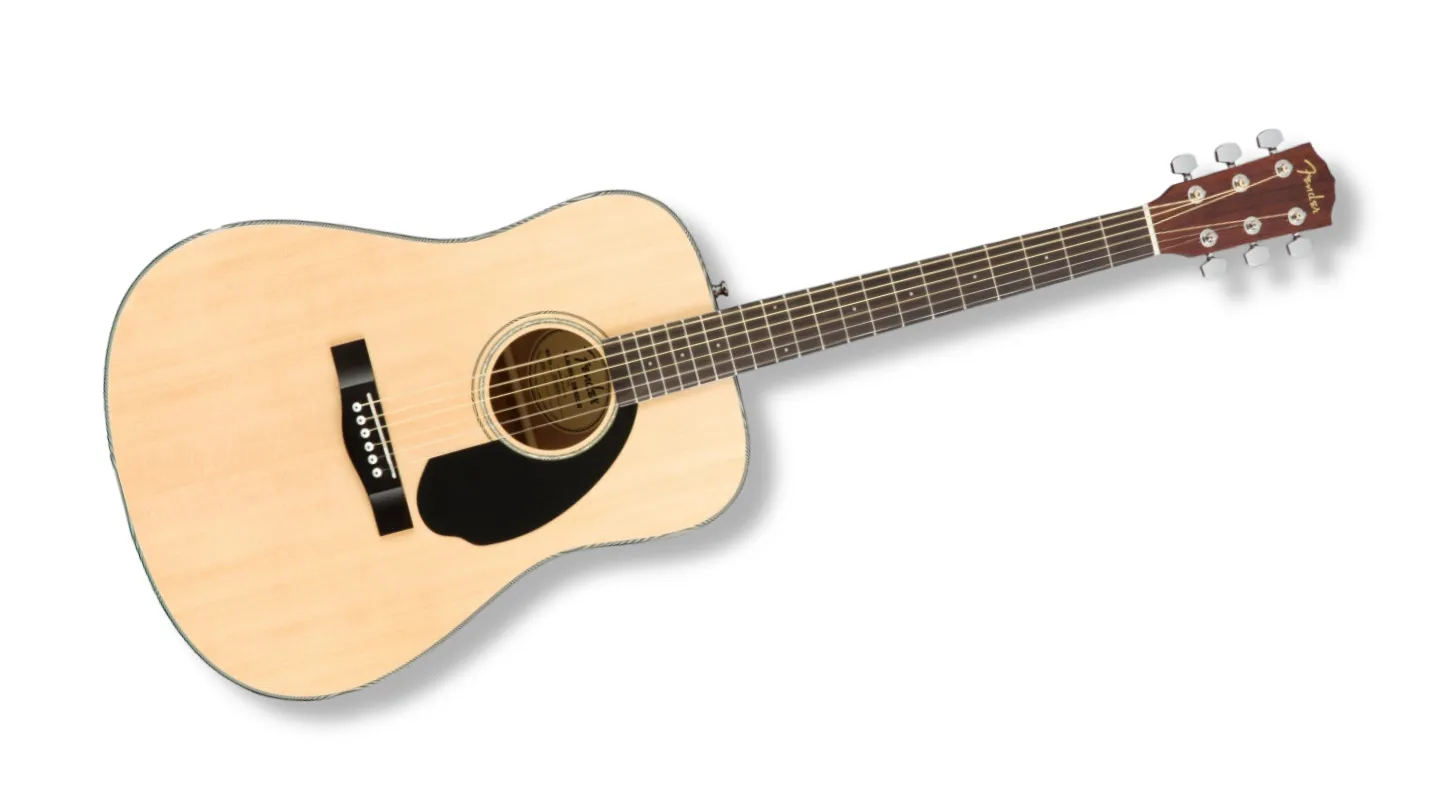
The Fender CD60S is a dreadnought acoustic guitar with a solid spruce top, laminated mahogany back and sides, and scalloped “X” bracing. The CD60S is a part of Fender’s Classic Design series. Fender’s Classic Design series offers affordable, entry-level instruments. The CD60S replaced the laminated spruce top of the original CD-60 with a solid spruce top. The CD-60S sells for around $200. The CD-60S is made in Indonesia.
Sound and Tone (3.5/5): The Fender CD60S produces a warm and bright tone. The highs are bright and clear due to the solid spruce top. Individual notes are easily distinguishable. The midrange offers body and fullness, while the lows provide warmth and depth. The bass response is less prominent when compared to other dreadnoughts like Yamaha FG830 or FG800J. The Fender CD60S earns a 3.5/5 rating for its sound and tone.
Playability and Comfort (4/5): The CD-60S’s dreadnought body shape is bulky, especially for smaller players. The CD-60S features Fender’s “Easy-to-Play” neck profile, which feels like a modern C-shape. The CD-60S’s neck has a gloss finish, which can feel a bit sticky, especially in humid conditions. The 25.3″ (642.6 mm) scale length is slightly shorter than the common 25.5″ scale length, resulting in lower string tension. This benefits beginners because the lower tension makes it slightly easier to press down the strings. The Fender CD-60S typically comes with a low action, making it easier to play. However, the quality of the “out of the box” setup can vary between individual models. Beginner players would benefit from a professional setup before learning how to play to ensure the best possible playability. The Fender CD-60S earns a 4/5 rating for its playability and comfort.
Versatility (3.5/5): The Fender CD-60S suits folk, pop, and lighter rock styles. The solid spruce top provides enough dynamic range for blues and light fingerpicking. However, the CD-60S’s subdued bass response and shorter sustain might limit players seeking heavier genres like metal, hard rock, or progressive rock. The shorter scale length and comfortable neck make the CD-60S suitable for beginners. Basic chord transitions, strumming patterns, and simple fingerpicking are easy to practice. However, the CD-60S’s tone is not ideal for nuanced fingerstyle techniques requiring a wider dynamic range and tonal complexity. The Fender CD-60S earns a 3.5/5 rating for its versatility.
Construction and Design (4/5): The CD-60S uses solid spruce for the top. Spruce offers strength, lightness, and a resonant tone. Laminated mahogany is used for the back and sides. Laminate construction offers affordability and durability. The CD-60S uses scalloped “X” bracing to enhance resonance and projection. The frets are generally level and smooth. However, some players have reported inconsistencies in fretwork. The CD-60S has a classic dreadnought aesthetic with a natural finish. The Fender CD60S earns a 4/5 rating for its construction and design.
Fender CD-60S Pros: Solid spruce top, balanced tone, comfortable neck profile, shorter scale length ideal for beginners, good value.
Fender CD-60S Cons: Less pronounced bass response, gloss neck finish can feel sticky, dreadnought body size might feel bulky, fretwork inconsistencies.
Recommendation for Fender CD-60S
The Fender CD60S offers solid value for beginners seeking an affordable and playable acoustic guitar. Its comfortable neck and balanced tone make it a reliable choice for learning and casual playing. While the dreadnought body may feel bulky for some and the tone lacks the nuance of higher-end instruments, the CD60S provides a solid foundation for aspiring guitarists.
| Fender CD-60S Specifications | |
| Body Type | Dreadnought |
| Top Material | Solid Spruce |
| Back and Sides Material | Laminate Mahogany |
| Bracing | Scalloped X-Bracing |
| Neck Material | Mahogany |
| Scale Length | 25.3″ (643 mm) |
| Fingerboard Material | Walnut |
| Saddle/Nut Material | Crème Plastic |
| Frets | 20, Vintage |
| Finish | Gloss |
| Typical Price in the USA | Around $239 (prices may vary) |
| Where to Buy | Fender website, Fender authorized dealers, Sweetwater |
7. Recording King RPS-11-FE3-TBR Series 11
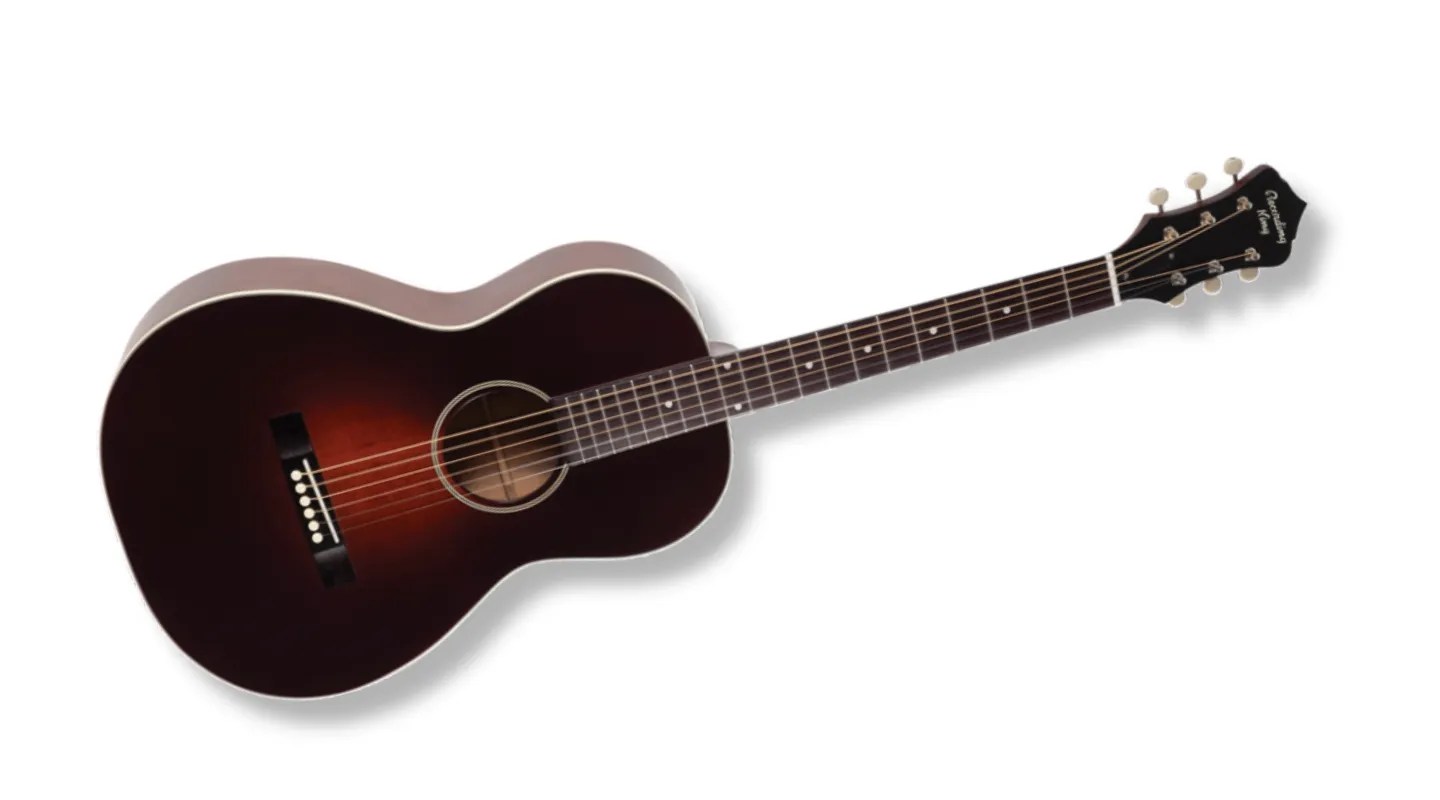
The Recording King RPS-11-FE3-TBR is a single O (parlor) all-solid wood acoustic-electric guitar. The RPS-11-FE3-TBR has a solid Sitka spruce top, solid African mahogany back and sides, and a scalloped “X” bracing pattern. The RPS-11-FE3-TBR is equipped with an under saddle Fishman Presys VT electronic pickup system with controls for volume and tone. The RPS-11-FE3-TBR is a part of the Recording King Series 11 instruments that is inspired by vintage parlor guitars, reminiscent of the 1930s era. Its all-solid wood construction and addition of electronic pickups make it the best parlor (Single O) electro-acoustic guitar under $500.
Sound and Tone (4/5): The sound and tone of the RPS-11-FE3-TBR is warm, woody, and boxy. It has a punchy midrange that makes each note pop, coupled with overtones that add a subtle bell-like sweetness to the overall tone. RPS-11-FE3-TBR has a surprisingly full and rich low-end, considering its smaller body size. However, the highs get a bit shrill with harder strumming, which can be balanced out with a softer pick or switching to fingerpicking. The RPS-11-FE3-TBR provides impressive clarity and sustain and its mahogany construction gives it a focused sound that records beautifully and sits perfectly in a mix. When plugged in, the guitar delivers a clear, bright tone that emphasizes the higher frequencies, making it cut through nicely in a mix, particularly for fingerpicking. The Recording King RPS-11-FE3-TBR earns a 4/5 rating for its sound and tone.
Pickup System and Electronics (4/5): The RPS-11-FE3-TBR features a Fishman Presys VT Sonitone under-saddle piezo pickup system. The Presys VT Sonitone accurately captures the sound of the guitar. However, the Fishman Presys VT lacks some warmth and depth commonly heard in higher-end electronic pickup systems. This lack of warmth and depth is not as noticeable on bigger-bodied guitars but the difference is apparent with the smaller 0 (Concert) sized shape of the RPS-11-FE3-TBR. The pickup system handles a moderate dynamic range well but hard strumming can occasionally cause slight clipping. The Fishman Presys VT Sonitone system offers basic volume and tone control right inside the soundhole, but it lacks the tone-shaping capabilities of a multi-band EQ system. The RPS-11-FE3-TBR’s Fishman Presys VT Sonitone system is active and requires a 9V battery. Battery life typically lasts for several months of regular playing. The Recording King RPS-11-FE3-TBR earns a 4/5 rating for the performance of its pickup system and electronics.
Playability and Comfort (4/5): The compact body size of the RPS-11-FE3-TBR makes it exceptionally comfortable for smaller players or those who find larger guitars cumbersome. The moderate string tension and a classic ‘C’ neck profile of the RPS-11-FE3-TBR provide a comfortable and smooth playing experience. However, the 1.69-inch (42.9 mm) nut width and tighter string spacing might feel cramped for players with larger hands. The Recording King RPS-11-FE3-TBR earns a 4/5 rating for its playability and comfort.
Versatility (3/5): The Recording King RPS-11-FE3-TBR is a versatile instrument that excels at nuanced playing and fingerpicking. It’s perfect for that classic ‘front porch blues’ sound with a touch of vintage grit. The guitar’s string spacing and comfortable neck profile are great for bluesy bends and slide work, while its warmth complements soulful blues vocals. RPS-11-FE3-TBR is a fantastic all-arounder for folk, light country, and blues styles, with enough responsiveness to even handle some light jazz. The Fishman Presys VT pickup system makes this guitar stage-ready for intimate gigs or when a subtle amplified acoustic sound or higher volume is needed. The Recording King RPS-11-FE3-TBR earns a 3/5 rating for its versatility.
Construction and Design (5/5): The RPS-11-FE3-TBR has a Tobacco Sunburst ultra-thin Zero-VOC satin finish, an environmentally-friendly feature that enhances its vintage aesthetic without feeling overly glossy. This ultra-thin finish allows the wood of the guitar to vibrate more freely, contributing to its sound quality. The RPS-11-FE3-TBR has a bone nut and saddle ensuring optimal string vibration transfer for a rich, articulate tone. The RPS-11-FE3-TBR feels very light, considering it has a solid-wood body. However, as an all-solid wood guitar, it also requires more care for proper storage and humidification to avoid warping or cracking. This is because solid wood is more susceptible to changes in temperature and humidity than laminate wood. The Recording King RPS-11-FE3-TBR earns a 5/5 rating for its construction and design.
Recording King RPS-11-FE3-TBR Pros: Rich and punchy sound, versatile for various settings and styles, vintage-inspired design and aesthetics, all solid wood construction, portable and lightweight.
Recording King RPS-11-FE3-TBR Cons: Highs become slightly shrill with strong strumming, narrow nut, and tight string spacing may be uncomfortable for players with larger hands and fingers.
Recommendation for Recording King RPS-11-FE3-TBR
In conclusion, the Recording King RPS-11-FE3-TBR Series 11 is a unique blend of vintage aesthetics, comfortable playability, and versatile sound. It’s a great choice for guitarists seeking an instrument with a vintage vibe, electronic pickups, and a parlor sound that cuts through the mix. However, its smaller size and delicate construction may not be suitable for aggressive strummers, and it requires extra care due to its all-solid wood construction.
| Recording King RPS-11-FE3-TBR Specifications | |
| Body Type | Single O |
| Top Material | Solid Sitka Spruce |
| Back and Sides Material | Solid African Mahogany |
| Bracing | Scalloped X, Sitka Spruce |
| Neck Material | Mahogany |
| Scale Length | 25.4″ (645.16 mm) |
| Fingerboard Material | Padauk |
| Saddle/Nut Material | Bone |
| Frets | 20 total, 12 clear |
| Finish | Ultra Thin Zero-VOC Satin Finish |
| Typical price in the USA | Around $599 (prices may vary) |
| Where to Buy | Recording King authorized dealers, Guitar Center, Sweetwater |
8. Martin LX1 Little Martin
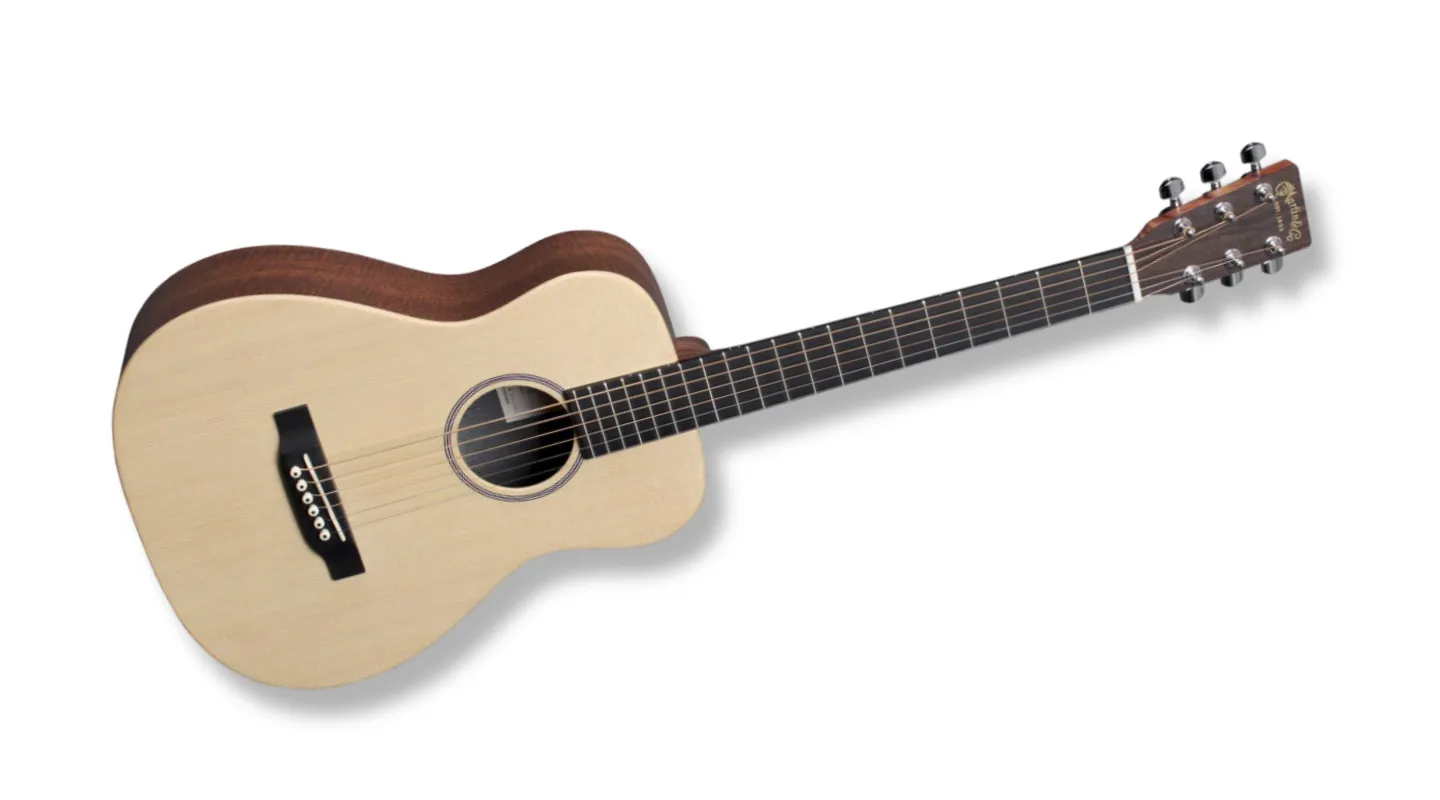
Martin LX1 Little Martin is an electro-acoustic guitar with a modified 0 (concert)-sized body. LX1 Little Martin’s body size is compact, with a shorter scale of 23 inches (584.2 mm) where the neck joins the body at the 14th fret. The LX1 Little Martin features a solid spruce top, mahogany HPL back and sides, and an “X” bracing pattern. The guitar is a part of Martin’s compact “Little Martin” series, designed for travel and portability. The LX1 Little Martin was famously used by Ed Sheeran during his career and he still uses signature versions of the LX1 Little Martin to play in front of millions of people. The Martin LX1 Little Martin is an excellent deal for those seeking a good cheap Martin guitar.
Sound and Tone (3.5/5): The sound and tone of the LX1 Little Martin is surprisingly rich for its compact size. The LX1 Little Martin has a crisp, balanced sound with single notes ringing out with piano-like clarity. The LX1 Little Martin delivers robust volume and projection, considering its size. Its subtle yet rich tone establishes a unique sound category, offering a warm and pleasant tone with great range. The Martin LX1 Little Martin earns a 5/5 rating for its sound and tone.
Playability and Comfort (4/5): The Martin LX1 Little Martin is comfortable and easy to handle. The 3/4 size is perfect for adults with smaller stature and even children, especially when strung with lighter strings. The shorter 23-inch (584.2 mm) scale makes it easier to fret, while the 1.6875-inch (42.86 mm) nut width provides comfortable string spacing. However, the action was too high and the setup needed adjustments to fix the action. Reaching the highest frets is a bit challenging on the LX1 Little Martin due to its smaller body. The modified low oval neck profile is comfortable and feels similar to traditional C-shaped necks. However, the LX1 Little Martin has a noticeable neck dive and the guitar feels out of balance when played standing up. The Martin LX1 Little Martin earns a 3/5 rating for its playability and comfort.
Versatility (3/5): The LX1 Little Martin’s clear articulation and balanced tone make the LX1 well-suited for that brighter, pop-inspired Ed Sheeran sound. The LX1 Little Martin is surprisingly responsive, with a clear treble and warmth for fingerpicked melodies that cut through the mix. The LX1 Little Martin is great for moderate strumming, the smaller body naturally limits LX1’s dynamic range for very aggressive strumming. The LX1’s clear midrange and warm projection make it a perfect companion for americana, country and, and folk-inspired music like indie-folk, pop-folk. The Martin LX1 Little Martin earns a 3/5 rating for its versatility.
Construction and Design (4/5): In terms of looks and build, the hand-rubbed satin finish enhances the natural grain of the Sitka spruce top, and the chrome tuning machines have a clean, functional look. The sturdy neck and robust bridge construction contribute to a solid feel, despite the instrument’s lighter weight. The included gig bag is well-padded and offers reliable protection during transport. The lack of binding offers increased durability in humid conditions by minimizing the risk of glue failure and wood separation. The Martin LX1 Little Martin earns a 4/5 rating for its construction and design.
Martin LX1 Little Martin Pros: Rich and balanced sound, great volume for its size, travel-friendly size, great versatility, included gig bag.
Martin LX1 Little Martin Cons: Setup may require adjustments, challenging to reach the highest frets due to the smaller body, noticeable neck dive.
Recommendation for Martin LX1 Little Martin
In summary, the Martin LX1 Little Martin is a travel-friendly guitar with a unique sound. Its compact size, clear articulation, and balanced tone make it an excellent choice for various playing styles and situations. However, players with larger hands or those who rely heavily on the upper register might find it limiting due to its small size and high action.
| LX1 Little Martin Specifications | |
| Body Type | Modified 0 |
| Top Material | Solid spruce |
| Back and Sides Material | High-pressure laminate (HPL) |
| Bracing | X-Brace |
| Neck Material | Rust Birch Laminate |
| Scale Length | 23″ |
| Fingerboard Material | FSC Certified Richlite |
| Saddle/Nut Material | White Corian |
| Frets | 20 |
| Finish | Hand-rubbed satin finish |
| Typical Price in the USA | Around $449 (prices may vary) |
| Where to Buy | Martin Guitars authorized dealers, Sweetwater, Guitar Center |
9. Taylor GS Mini Sapele
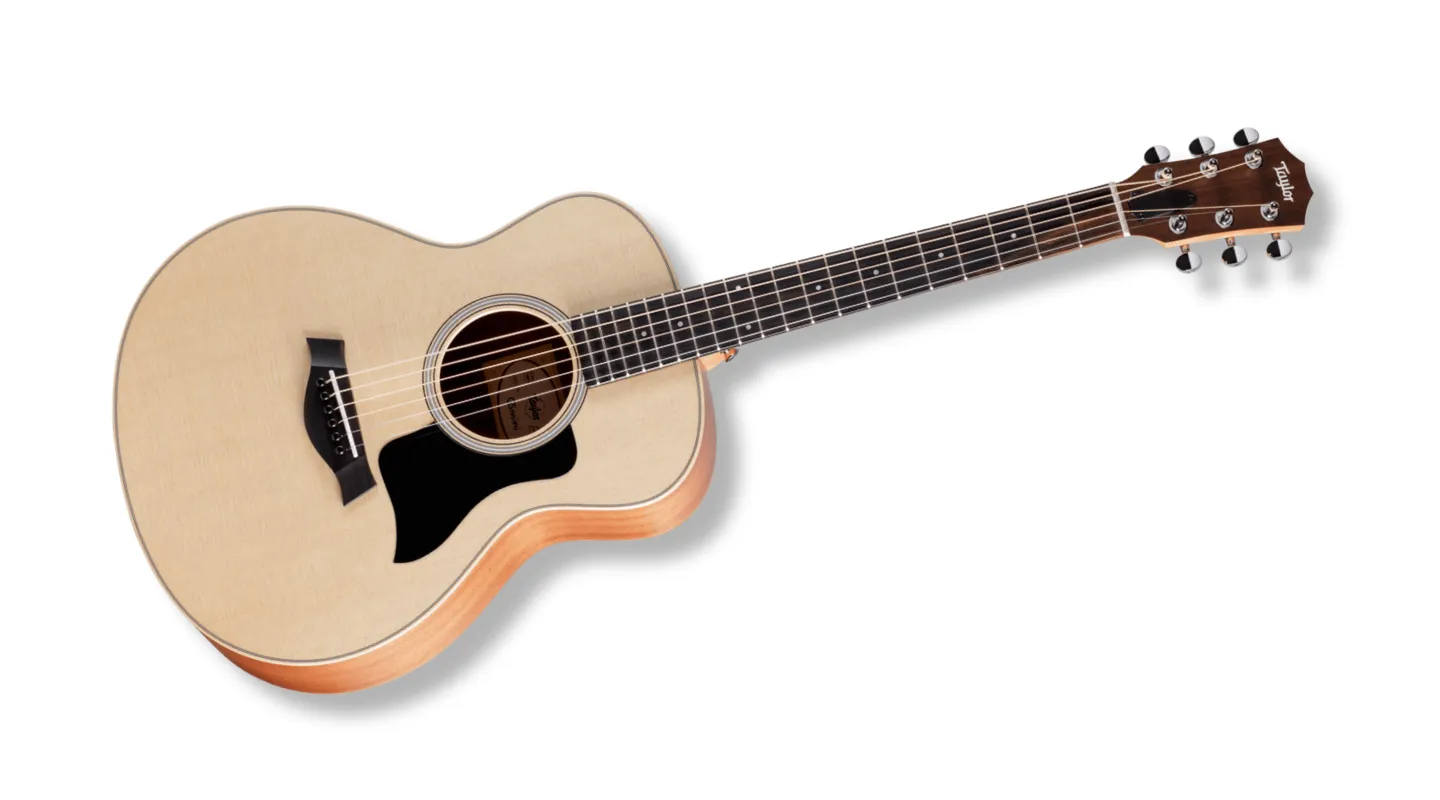
The Taylor GS Mini Sapele is an acoustic guitar with a scaled-down Grand Symphony body shape. The GS Mini Sapele has a solid spruce top, layered Sapele back and sides, and a tropical mahogany neck. The tropical mahogany neck replaced the Sapele neck that previous versions of the GS Mini Sapele had. The saddle material also shifted from Nubone to Micarta, when compared to previous versions of the GS Mini Sapele. The GS Mini Sapele comes with a structured gig bag case. The GS Mini Sapele is the best small-bodied acoustic guitar under $500, with an amazing reputation and high-quality Taylor’s craftsmanship.
Sound and Tone (5/5): The GS Mini Sapele delivers a focused low-end and powerful midrange punch that’s unexpected for a guitar of this size. GS Mini Sapele boasts impressive volume and projection with a warm, resonant character, crisp treble response, and a sweet, singing midrange. The tone of the GS Mini Sapele features a mellow warmth that does not get muddy, and the highs retain their shine. The GS Mini Sapele exhibited excellent response, preserving clarity across a wide tonal range. The Taylor GS Mini Sapele earns a 5/5 rating for its sound and tone.
Playability and Comfort (5/5): The GS Mini provides a smooth playing experience with its slim ‘C’ shaped neck and comfortably low action. The GS Mini Sapele’s smaller body is especially friendly for players with smaller frames. The shorter 23.5-inch (596.9 mm) scale length reduces string tension, making note bending more effortless and providing a slinkier playing feel. The neck’s 1.6875-inch (42.86 mm) nut width offers a good, balanced string spacing. The 1.6875-inch width of the nut caters to most players while maintaining the ease associated with a smaller neck profile. However, players with very large hands or those accustomed to full-sized guitars may find the GS Mini’s fretting and fingerpicking space more restrictive. The Taylor GS Mini Sapele earns a 5/5 rating for its playability and comfort.
Versatility (5/5): The GS Mini Sapele’s balanced tone and responsive feel make it very versatile. The GS Mini Sapele handles everything from delicate folk fingerpicking to punchy pop strumming gracefully. However, due to its smaller size, the GS Mini Sapele does not offer enough low-end for the heaviest rock styles. The GS Mini Sapele responds beautifully whether playing bluesy fingerstyle patterns or strumming laid-back chords. The guitar’s compact size also makes the GS Mini easily transportable and great for traveling. The Taylor GS Mini Sapele earns a 5/5 rating for its versatility.
Construction and Design (5/5): The GS Mini Sapele’s scaled-down body is 14 3/8″ (365.125 mm) wide, 4 7/16″ (112.7125 mm) deep, and 17 5/8″ (447.675 mm) long. The body of the GS Mini Sapele is 25.2% smaller when compared to Taylor’s full-sized Grand Orchestra body shape in the 300 and 800 Taylor model series. The GS Mini Sapele’s caramel-colored Sapele back and sides and solid Sitka spruce top look somewhat simple, but the three-ring rosette and three-layer purfling give it the aesthetic of a higher-priced instrument. The Nubone nut and Micarta saddle offer superior vibration transfer from the strings to the soundboard, compared to plastic nuts and saddles.The Taylor GS Mini Sapele earns a 5/5 rating for its construction and design.
Taylor GS Mini Sapele Pros: Great volume and projection for its size, rich and resonant tone, included gig bag, versatile, compact and portable.
Taylor GS Mini Sapele Cons: Limited low-end, nut width might feel restrictive if you have large hands and fingers.
Recommendation for Taylor GS Mini Sapele
The Taylor GS Mini Sapele is a compact, affordable, versatile, and high-quality Taylor acoustic guitar that offers surprising volume and projection for its size. The GS Mini Sapele’s main advantage is its playability and transportability, making it an ideal choice for guitarists of all levels. However, those with larger hands or who prefer a wider string spacing may find its compact scale slightly restrictive.
| Taylor GS Mini Sapele Specifications | |
| Body Type | GS Mini Sapele |
| Top Material | Sitka Spruce |
| Back and Sides Material | Sapele |
| Bracing | X-Bracing |
| Neck Material | Neo-Tropical Mahogany |
| Scale Length | 23.5″ (596.9 mm) |
| Fingerboard Material | Crelicam Ebony |
| Saddle/Nut Material | NuBone/Micarta |
| Frets | 20 |
| Finish | Matte Natural |
| Typical price in the USA | Around $499 (prices may vary) |
| Where to Buy | Taylor authorized dealers, Guitar Center, Sweetwater |
10. Big Baby Taylor
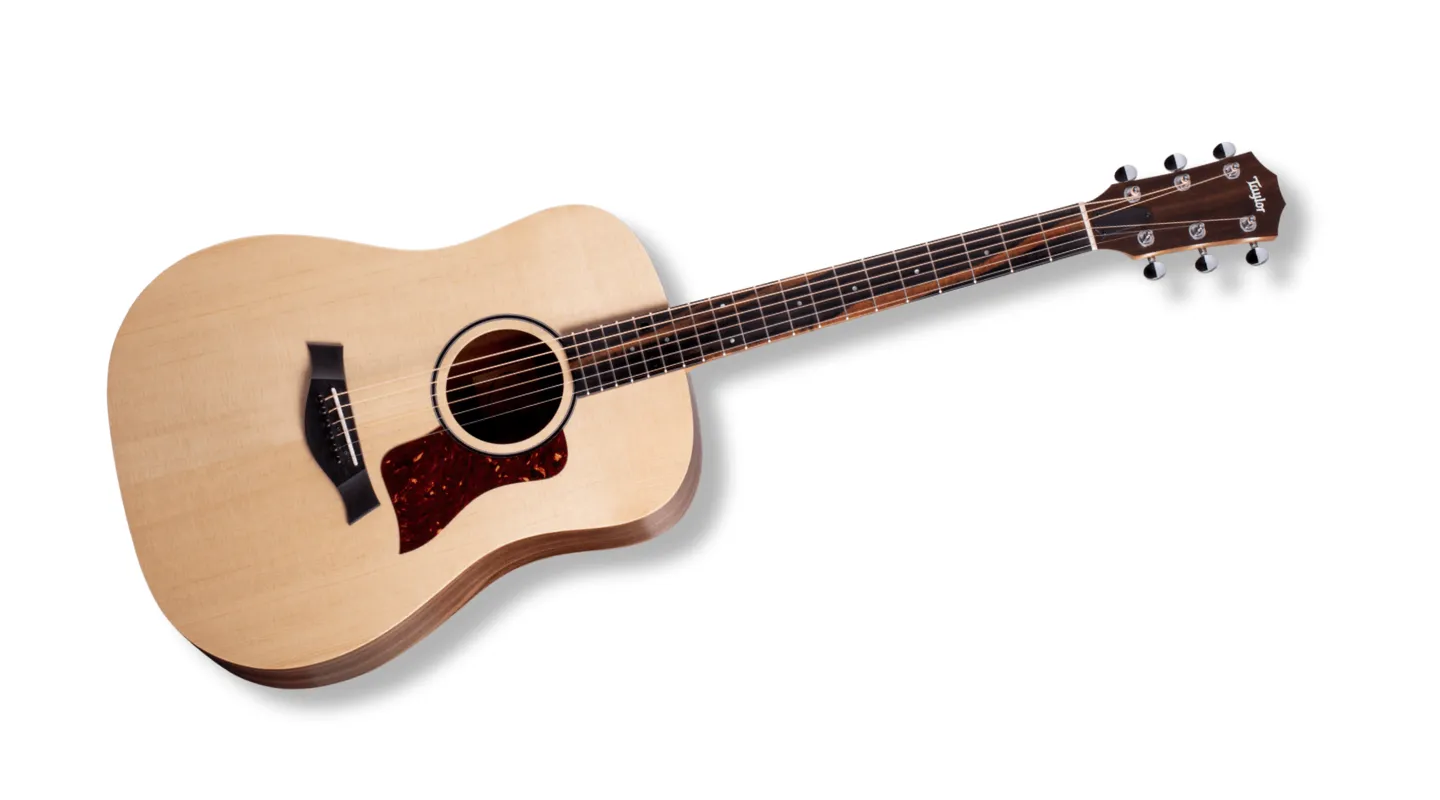
The Big Baby Taylor is an acoustic guitar with a 15/16-sized dreadnought body shape. The Big Baby Taylor is crafted with a solid Sitka spruce top, layered walnut back and sides, maple neck, and West African crelicam ebony fretboard. The Big Baby Taylor is part of the Baby Taylor series. In the Baby Taylor series, the Big Baby Taylor falls between the travel-sized Baby Taylor guitars and full-sized models as the biggest small bodied Taylor guitar. The Big Baby Taylor stands out as a unique blend of compact size and exceptional sound quality, in terms of Taylor guitars for under $500.
Sound and Tone (4/5): The Big Baby Taylor strikes a perfect balance between bright, chiming highs and warm, woody lows. Even with fast strumming, each note in a chord rings out clearly. The guitar is resonant, especially in the mid-range, with impressive sustain and a focused sound. The tone is clear and well-balanced, with a slight emphasis on the treble side but enough bass to avoid sounding thin. The guitar’s warmth is woody and mellow, with a gentle attack and smooth treble frequencies that are pleasing to the ears. The Big Baby Taylor proves to be quite powerful, projecting well with substantial volume, despite the slightly smaller size. The Big Baby Taylor earns a 4/5 rating for its sound and tone.
Playability and Comfort (4/5): The Big Baby Taylor’s 15/16-scale dreadnought body is less bulky and more comfortable than a full-sized dreadnought. The smaller size makes the Big Baby Taylor a good fit for players with smaller frames who find full-sized dreadnoughts a bit too bulky. The slim Taylor neck profile and the narrower 1.6875-inch (42.8625 mm) nut width make fretting and switching between chords very intuitive and comfortable. The factory setup features a smooth and low action with minimal string buzz. The Big Baby Taylor typically comes with lighter gauge D’Addario XS Coated Phosphor Bronze Light (.012 – .053) strings, which contribute to the ease of playing. Swapping the strings for heavier gauge strings adds more tonal richness but the heavier gauge strings also require more finger strength to fret. The Big Baby Taylor earns a 4/5 rating for its playability and comfort.
Versatility (4/5): The Big Baby Taylor’s well-rounded sound makes it suitable for a variety of music genres, like folk, blues, and pop. The Big Baby Taylor performs well for fingerpicking folk and blues melodies, as well as strumming pop or country tunes. The Big Baby Taylor’s slightly smaller body size does limit the overall volume and projection when compared to a full-sized dreadnought. The difference is minimal but players who favor genres that are heavily reliant on resonant strumming, like hard rock, grunge, or 90s alt-rock, should keep it in mind. The Big Baby Taylor earns a 4/5 rating for its versatility.
Construction and Design (4/5): The Big Baby Taylor’s 15/16-size dreadnought is 19 1/2″ (495.3 mm) long, 15-1/10″ (383.54 mm) wide, and 4″ (101.6 mm) deep. The body of the Big Baby Taylor is 19.2% smaller when compared to Taylor’s full-sized Dreadnought body shape in the 100 and 200 Taylor model series. The Taylor Big Baby has a smooth, satin finish that feels comfortable to the touch. However, one aesthetic flaw of the Big Baby Taylor is the bolt-on design at the neck joint with visible screws at the front of the fretboard. The Big Baby Taylor also features a Nubone nut and a Micarta saddle, known for good tone transfer and durability. The Big Baby Taylor earns a 4/5 rating for its construction and design.
Big Baby Taylor Pros: Compact size, balanced sound with clear highs and warm lows, easy playability with slim neck and narrow nut, versatile for folk, blues, and pop
Big Baby Taylor Cons: Limited volume compared to full-sized dreadnoughts, visible screws in the fretboard
Recommendation for Big Baby Taylor
Overall, the Big Baby Taylor is a versatile and comfortable guitar that delivers a well-rounded sound. Its unique size and build make it a great choice for guitarists seeking a compact dreadnought with a balanced tone and impressive playability. However, players seeking a guitar for genres heavily reliant on resonant strumming might want to consider a full-sized dreadnought due to the Big Baby’s slightly reduced projection and low-end depth.
| Taylor Big Baby Specifications | |
| Body Type | 15/16-size Dreadnought |
| Top Material | Sitka Spruce |
| Back and Sides Material | Layered Walnut |
| Bracing | X-bracing |
| Neck Material | Hard Rock Maple |
| Scale Length | 25.5 inches (647.7 mm) |
| Fingerboard Material | West African Crelicam Ebony |
| Saddle/Nut Material | NuBone/Micarta |
| Frets | 20 |
| Finish | Natural Matte |
| Typical price in the USA | Around $499 (prices may vary) |
| Where to Buy | Taylor authorized dealers, Guitar Center, Sweetwater |
How much does a good cheap acoustic guitar cost?
A good cheap acoustic guitar costs at least $200 to $300, as a rule of thumb. At the 200$ to 300$ price range, the acoustic guitar models start to offer decent overall build quality and solid wood top, which enhances tonal complexity and responsiveness. While it’s possible to find good acoustic guitars below $200 to $300, it is difficult because of the varying quality of the guitar models under $200. Guitars priced below $200 are typically constructed with laminate woods, limiting tonal richness and volume. Therefore, an acoustic guitar for a beginner on a budget should not cost less than $200.
The cheapest acoustic guitars can be found for as little as $50, however, the playability and sound of those guitars usually match their price. For comparison, the average price of an acoustic guitar in 2021 was $590, according to a report by the Statista Research Department.
What are the best mid-range acoustic guitars under $1000?
The best mid-range acoustic guitars under $1000 include the Guild D-140, Yamaha FG3, and Eastman E1D.
The Guild D-140, constructed with a solid Sitka spruce top and solid African mahogany back and sides, produces a full, rich tone ideal for a variety of playing styles. The Yamaha FG3, featuring a solid Sitka spruce top enhanced with Yamaha’s A.R.E. treatment and solid mahogany back and sides, delivers a vintage-inspired tone with exceptional sustain and a balanced sound. The Eastman E1D, crafted with a solid Sitka spruce top and solid sapele back and sides, offers a powerful, balanced tone with a punchy midrange.
What are the best high-end acoustic guitars?
The best high end acoustic guitars include the Martin D-28, Gibson Hummingbird, and Alvarez Yairi DYMR70.
The Martin D-28, with its Sitka spruce top and East Indian rosewood back and sides, delivers a powerful, balanced tone that has become a benchmark for bluegrass and folk music. The Gibson Hummingbird, featuring a thermally aged Sitka spruce top and mahogany back and sides, produces a balanced and articulate tone with a warm, clear sound favored by folk and Americana artists. The Alvarez Yairi DYMR70, handcrafted in Japan with a solid AAA Sitka spruce top and solid East Indian rosewood back and sides, offers exceptional tone clarity and a bright, articulate sound well-suited for both fingerstyle and flatpicking techniques.
What is the best acoustic guitar under $400?
The best acoustic guitar under $400 is the Yamaha FG830. The FG830 features a solid Sitka spruce top with a bright, responsive sound. The FG830 is versatile and perfect for both strumming and flatpicking.
What is the best acoustic guitar under $200?
The best acoustic guitar under $200 is the Gretsch G9500 Jim Dandy. Its parlor-style body offers a focused, surprisingly loud tone that exudes a “vintage blues” character. However, it lacks the low-end warmth that larger guitars typically provide. Finding a quality guitar in this price range is challenging due to compromises in materials, playability, and tone.
What are the best acoustic guitars?
The best acoustic guitars include the Martin D-28, Yamaha FG830, and Eastman E1D.
The Martin D-28, with its balanced tone and projection, represents a benchmark in acoustic guitar craftsmanship and is favored by professionals across genres like bluegrass and folk. The Yamaha FG830, with its solid Sitka spruce top and budget-friendly price, offers an excellent entry point for players on a budget seeking a quality instrument. The Eastman E1D, featuring an all-solid wood construction and a powerful, resonant tone, delivers exceptional value for intermediate players looking to upgrade. However, ultimately the best acoustic guitar is a guitar that best suits a specific player’s individual needs.
What are the best electric guitars under $500?
The best electric guitars under $500 are guitar models that deliver excellent sound, build quality, and playability without breaking the bank. These guitars should have a solid build, good tonewood, and reliable electronics to provide a balanced and vibrant sound. They should also feel comfortable in your hands and be easy to play, with a neck that fits your hand size and playing style.