

The best acoustic guitars under $2000 provide a balanced mix of clean resonant sound, seamless playability, lasting value, and high-quality craftsmanship. The price range between 1000$ and 2000$ represents a significant leap from mid-range acoustics between 500$ and 1000$, providing a sweet spot between affordability and high-end performance.
The acoustic guitars under $2000 showcase a variety of tonewoods, body shapes (dreadnought, grand auditorium, orchestra), neck profiles (C-shape, V-shape), scale lengths, bracing patterns (X-bracing, V-bracing), finish types, nut widths and other acoustic guitar aspects that together influence the quality of the acoustic guitar. This article reviews 9 of the best acoustic guitars priced between $1000 and $2000, evaluating them across key elements like tone, playability, versatility, and construction.
From the warm, balanced tones of the Martin D-15M and Guild D-20 to the articulate clarity of the Taylor 317 and Larrivee L-03MH, these guitars offer a range of different sound signatures. The Gibson G-45 stands out with its innovative Player Port design, while the Eastman E8OM-TC showcases the benefits of a Thermo-Cured top. In the showcase below you can see the top 3 picks from the list.
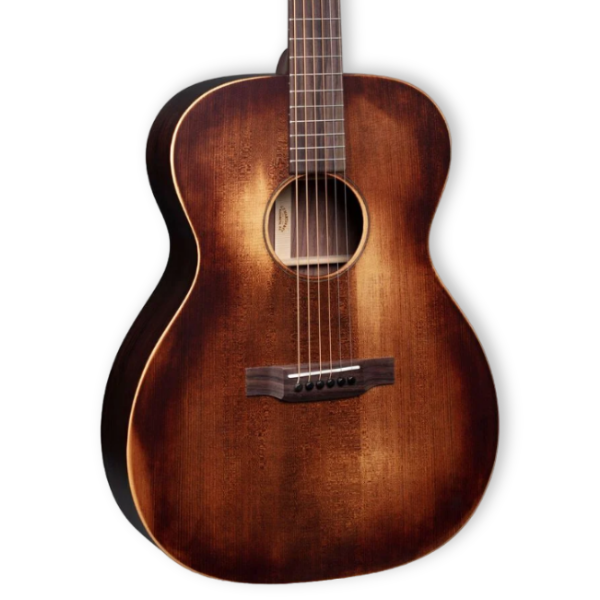
Adirondack Spruce Top
Vintage-Style Finish
Comfortable 000 Body
Balanced, Clear Tone
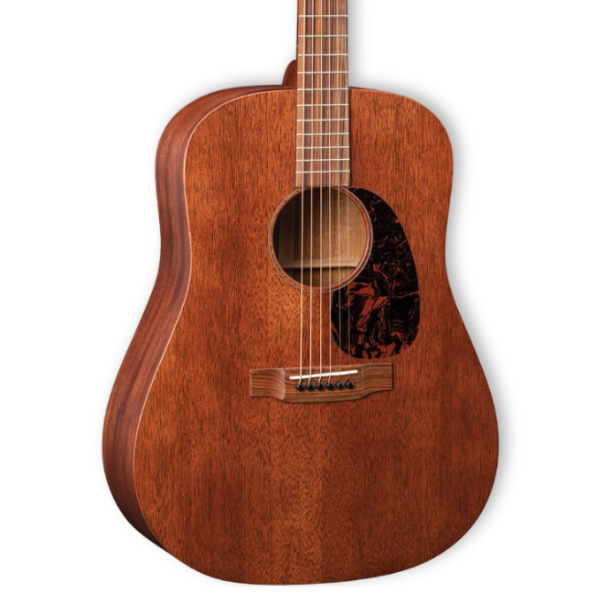
All-Mahogany Body
Warm, Balanced Tone
Simple, Elegant Design
Great Versatility
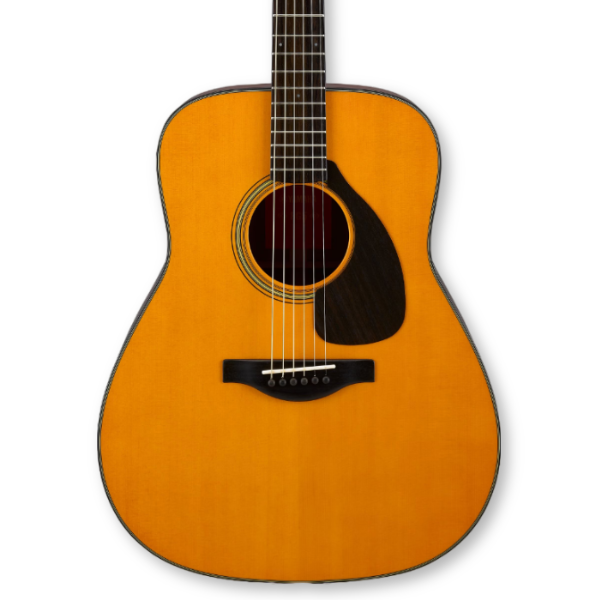
Solid Sitka Spruce Top
Powerful Projection
Scalloped FG Bracing
Warm, Full Sound
Beyond these 9 specific models, the article also provides brief insights into the features to look for when choosing the best acoustic guitar in the $1000-$2000 price range, explaining features like tonewoods, craftsmanship, and brand reputation.
The best acoustic guitars under $2000 are ranked and listed below.
- Martin D-15M
- Martin 000-16SM
- Yamaha FG5
- Gibson G-45
- Martin DSS-17
- Guild D-20
- Larrivee L-03MH
- Eastman E8OM TC
- Taylor 317
1. Martin D-15M
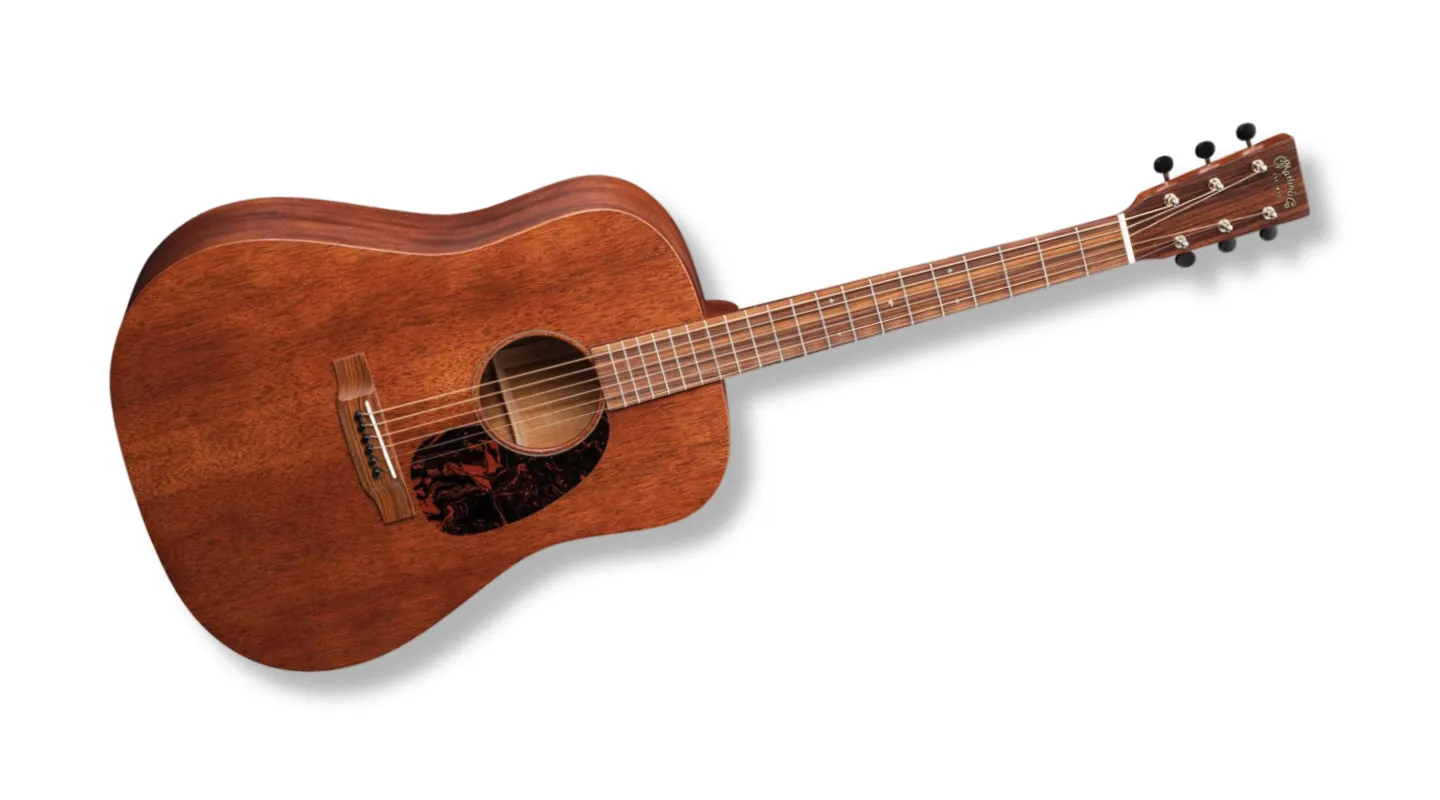
The Martin D-15M is a dreadnought acoustic guitar crafted with a solid mahogany top, back, and sides. The Martin D-15M was released in 2010 as part of Martin’s 15 series. Martin’s 15 series features durable all-mahogany acoustic guitars with a warm tone and straightforward design.
In the same year (2010), the D-15M received a prestigious Gold Award from Guitarist magazine in the UK, solidifying its reputation for high quality.
However, the D-15M has undergone multiple updates since its release in 2010. The fingerboard and bridge are now crafted from morado (pau ferro or Bolivian rosewood), replacing the East Indian rosewood used previously. The neck joint has transitioned to a ‘simple dovetail’ design, replacing the earlier mortise and tenon joint.
In contrast to the original 2010 model’s gloss finish, the current D-15M sports a thin satin nitrocellulose finish, enhancing its resonant properties.
Currently, the D-15 costs around $1,699, but prices may vary.
Sound and Tone (5/5):
The guitar has a warm, balanced tone with a slightly “woody” character. The highs are sweet and round rather than overly bright. They don’t have the same sparkle as spruce-top guitars, instead the highs contribute to the D-15M’s warm character.
The D-15M has a strong, punchy midrange presence that cuts through the mix. The bass response is full and robust without becoming boomy.
The D-15M has good volume, though it is not the loudest in its class when compared to the Yamaha FG5 or Guild D-20. On the other hand, The D-15M has a long, resonant sustain.
The Martin D-15M earns a 5/5 rating for its sound and tone.
Playability and Comfort (4/5):
Being a dreadnought, the D-15M has a larger body size that some players may find initially imposing, especially those accustomed to smaller-bodied guitars.
The modified low oval neck profile is slimmer than traditional profiles, allowing for easier navigation of the fretboard. The satin finish on the neck provides a smooth feel, avoiding the sticky sensation that gloss finishes sometimes have.
The D-15M’s scale length is 25.4″ (645.16 mm), which is standard for many acoustic guitars, providing a familiar feel and string tension for most players.
The 1 11/16″ (42.86 mm) nut width is slightly on the narrower side where the string spacing is more focused.
The Martin D-15M earns a 4/5 rating for its playability and comfort.
Versatility (5/5):
The D-15M’s responsiveness lends itself to a variety of playing styles, from delicate arpeggios to powerful strumming.
Its balanced tone and impressive projection make it incredibly versatile, particularly suited for folk, blues, and Americana. For singer-songwriters, the warm, focused midrange that cuts through the mix is an advantage. For blues players, the D-15M’s dynamic response is ideal for bluesy fingerstyle and slide techniques.
The Martin D-15M earns a 5/5 rating for its versatility.
Construction and Design (5/5):
The D-15M uses Martin’s A-frame X-bracing with 5/16″ non-scalloped braces. Unlike scalloped bracing, which removes wood for greater flexibility and potential for increased volume and bass response, non-scalloped bracing prioritizes rigidity. This contributes to the D-15M’s direct, focused tone but also limits its volume potential.
The D-15M features a thin satin nitrocellulose finish. Unlike thicker, glossier finishes that can sometimes dampen vibrations, this finish allows the mahogany to resonate more freely, contributing to the D-15M’s lively and responsive feel.
The D-15M has a bone nut and compensated bone saddle that enhance tone and intonation. The D-15M has no binding, highlighting the minimalist design and emphasizing the natural beauty of the mahogany.
The guitar comes with SP Lifespan 92/8 Phosphor Bronze Light strings that provide a bright, balanced tone.
The Martin D-15M earns a 5/5 rating for its construction and design.
Martin D-15M Pros: Warm and balanced tone, strong midrange presence, full and robust bass response, long sustain, versatile for different genres and techniques, durable construction.
Martin D-15M Cons: Not as loud as some comparable models, large body size may not suit all players, narrower nut width might feel unfamiliar to some players.

Recommendation for Martin D-15M
The Martin D-15M is a high-quality all-mahogany dreadnought offering great performance for its price at around $1,699 (prices may vary).
Choose the Martin D-15M guitar if you seek a warm, balanced tone with good sustain, excellent playability, and a minimalist yet elegant aesthetic.
Avoid the Martin D-15M if you prefer a brighter, more articulate sound or require the extra sparkle and headroom that is typical for spruce-top guitars.
| Martin D-15M Specifications | |
| Body Type | Dreadnought |
| Top Material | Mahogany |
| Back and Sides Material | Mahogany |
| Bracing | X-Brace |
| Neck Material | Mahogany |
| Scale Length | 25.4″ (645.16 mm) |
| Fingerboard Material | East Indian Rosewood |
| Saddle/Nut Material | Compensated Bone |
| Frets | 20 (14 frets in the clear) |
| Finish | Satin |
| Typical Price in the USA | Around $1,699.00 |
| Where to Buy | Martin Guitar Website, Guitar Center, Local Retailers |
2. Martin 000-16SM

The Martin 000-16SM is an acoustic guitar with a 000 body shape. The 000 body features an Adirondack spruce top, East Indian rosewood back and sides, and scalloped X-bracing.
The Martin 000-16SM belongs to the Martin StreetMaster series. The Martin Street Master series features a factory-applied distressed StreetMaster finish that simulates the wear and tear of a vintage instrument. Despite their aged aesthetic, the guitars in the Street Master series are built with solid tonewoods, offering a compelling blend of vintage character and modern playability at a more accessible price point.
The 16 Street Master model succeeds the 15 Street Master model. The 000-15M model featured a solid mahogany top. The current 000-16SM features an Adirondack spruce top with VTS for improved sound quality.
The Martin 000-16SM costs around $1,999 (prices may vary) and comes with an included soft shell case.
Sound and Tone (5/5):
The 000-16SM has a classic Martin warmth but with modern clarity. The Adirondack top delivers plenty of volume and projection without sacrificing warmth, while the rosewood back and sides contribute to a full, resonant sound with clear note separation.
The 000-16SM leans towards a balanced sound profile but the VTS treatment adds to its mature and complex tonality. The 000-16SM has clear, ringing highs with a touch of sweetness that contributes to a well-defined high-end. The 000-16SM has a present, well-defined midrange, to which the rosewood adds warmth. The bass response is robust and well-defined, adding warmth and depth to the overall sound profile.
The 000-16SM delivers impressive volume and projection for an instrument of its size.
The 000-16SM earns a 5/5 rating for its sound and tone.
Playability and Comfort (5/5):
The 000 body size strikes a comfortable balance between the larger dreadnought and smaller parlor guitars. The 000-16SM is comfortable for extended playing sessions, especially for players who find dreadnoughts too cumbersome.
The 24.9″ (632.46 mm) scale length, is slightly shorter than the standard 25.4″-25.5″ (645.16 mm – 647.7 mm) scale length. The shorter scale length results in slightly lower string tension, making fretting easier and bending strings more seamless.
The Martin 000-16SM’s 1 3/4″ (44.5 mm) nut width is on the wider side of the standard, acoustic guitar nut size which typically ranges from 1 11/16″ (42.86 mm) to 1.75 (44.5 mm). The nut width feels familiar but at the same time, the slightly wider spacing provides a more open feel, allowing the fingertips to articulate notes with greater precision and clarity.
The 000-16SM earns a 5/5 rating for its playability and comfort.
Versatility (4/5):
The Martin 000-16SM is versatile across genres, including blues, folk, bluegrass, rock, and pop. The 000-16SM is a particularly great fit for folk music as its balanced tone, responsive touch, and clear projection capture the nuances of fingerstyle playing and vocal accompaniment very well. However, players seeking a guitar with a powerful low-end response optimized for heavier genres might want to consider other options.
In terms of technical adaptability, the Martin 000-16SM particularly excels at fingerpicking due to its 1.75″ (44.45 mm) nut width providing ample string spacing.
The 000-16SM’s smaller body size, compared to dreadnoughts, makes it relatively portable, further enhanced by the included soft-shell case.
The 000-16SM earns a 4/5 rating for its versatility.
Construction and Design (4/5):
The Martin 000-16SM, while minimally appointed like other StreetMasters and 15-series models. But the StreetMaster finish is applied by Martin craftsmen, who hand-apply dents, dings, scratches, and wear marks to create a naturally worn appearance.
The 000-16SM features an East Indian rosewood fretboard and bridge, a bone nut, a compensated bone saddle. East Indian rosewood is known for its beauty, durability, and tonal resonance, while bone nuts and saddles are prized for enhancing sustain and clarity. The Adirondack spruce top is treated with Martin’s Vintage Tone System (VTS) which uses a controlled heat treatment to age tonewoods, replicating the sonic characteristics of a vintage instrument.
The absence of body binding seems to be a part of the 000-16SM’s vintage aesthetic but the missing binding also makes the edges more vulnerable to impact damage.
The 000-16SM earns a 4/5 rating for its construction and design.
Recommendation for Martin 000-16SM
The Martin 000-16SM, with its comfortable playability, versatile sound, and pre-aged aesthetic, is a compelling option for guitarists seeking a vintage vibe.
Choose the 000-16SM if you want a versatile and responsive instrument with a broken-in feel and a balanced sound profile.
Avoid the 000-16SM if you prefer a guitar with a modern look.
| Martin 000-16 StreetMaster® Specifications | |
| Body Type: | 000 |
| Top Material: | Adirondack Spruce with VTS |
| Back and Sides Material: | East Indian Rosewood |
| Bracing: | X-Brace |
| Neck Material: | Mahogany |
| Scale Length: | 24.9″ (632.46 mm) |
| Fingerboard Material: | Rosewood |
| Saddle/Nut Material: | Compensated Bone |
| Frets: | 20 (14 frets in the clear) |
| Finish: | Satin |
| Typical Price in the USA: | Around $1,999 (prices may vary) |
| Where to Buy: | Guitar center, local guitar stores or online retailers |
3. Yamaha FG5
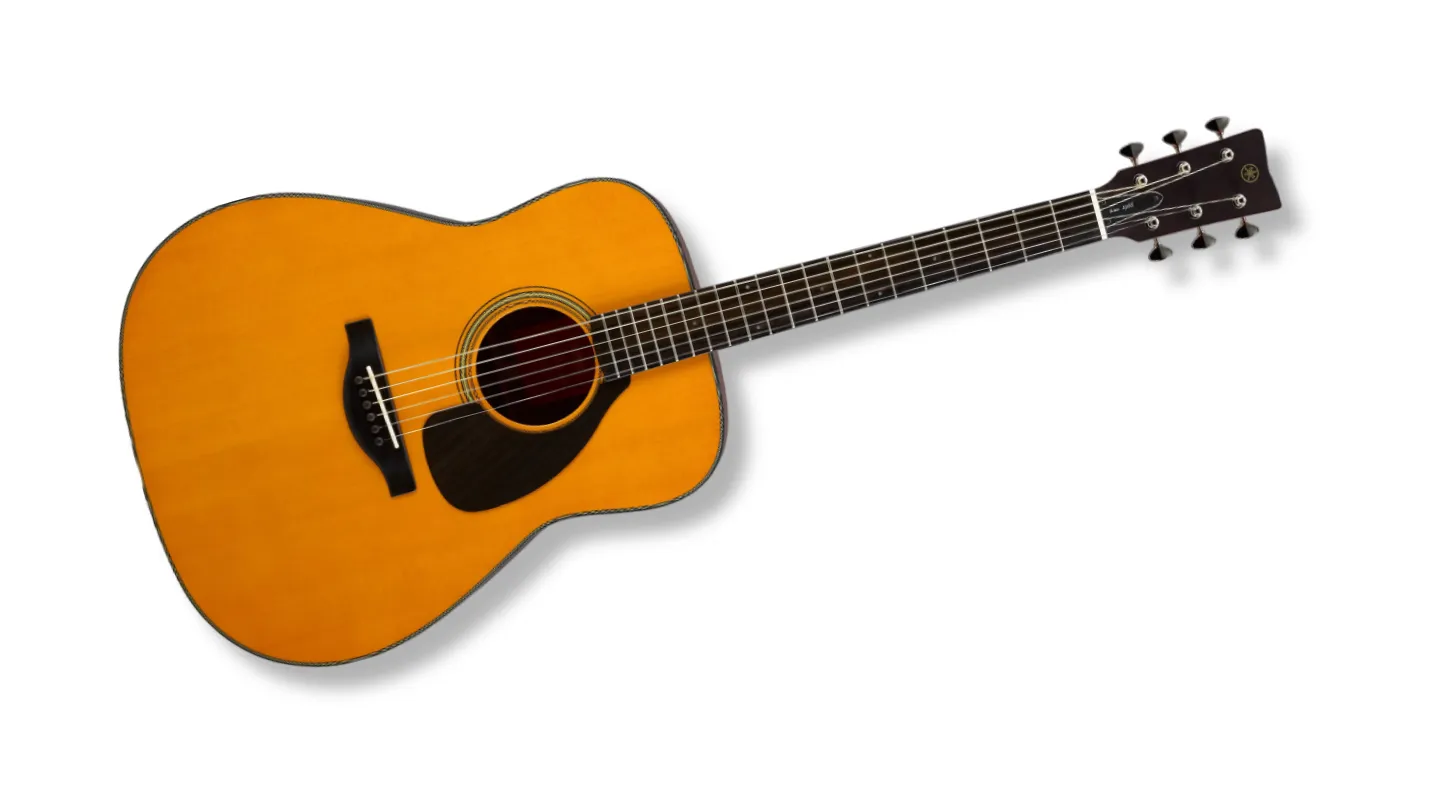
The Yamaha FG5 is a dreadnought acoustic guitar with a solid Sitka spruce top and solid mahogany back and sides, scalloped FG bracing, and Yamaha’s A.R.E. (Acoustic Resonance Enhancement) wood torrefaction processes incorporated into the build.
The Yamaha FG5 is part of Yamaha’s “Red Label” Folk Guitar series. Yamaha launched the “Red Label” Folk Guitar series in 1966 as their first production of steel-string acoustics. The series retains the vintage aesthetic of the original 1960s models but incorporates advancements Yamaha has developed over more than half a century of acoustic guitar making.
The Yamaha FG5 Red Label features a new scalloped bracing design specifically developed for the FG and FS Red Label guitars to enhance low-end response and warmth. Yamaha’s “Red Label” series represents their top-of-the-line acoustic guitars.
The Yamaha FG5 is an amazing all-solid wood acoustic guitar for just under $1500, costing around 1449$ (prices may vary).
Sound and Tone (4/5):
The Yamaha FG5 delivers a balanced tone with a noticeable emphasis on warmth and fullness. Its clear, “ringing” highs add vibrancy without harshness, contributing to a well-defined high-end.
The FG5 has a rich midrange that significantly contributes to its warm and woody character. The solid mahogany back and sides enhance the midrange frequencies, resulting in a full and balanced sound.
The lows on the FG5 are deep and powerful, providing a solid foundation for the overall sound. This depth is a result of the scalloped bracing, which enhances low-frequency response.
The FG5 is loud and projective due to its dreadnought body and responsive top. The FG5 has a long sustain with smooth gradual decay.
The Yamaha FG5 earns a 4/5 rating for its sound and tone.
Playability and Comfort (4/5):
The FG5 features a slim, comfortable C-shaped neck that flattens out to a D as it goes into the heel. The matte neck finish on the FG5 feels smooth and fast, without being overly sticky.
The FG5’s 25″ (635 mm) scale offers lower string tension for easier fretting and bending. The 1 3/4″ (44.45 mm) nut width is on the wider side of the standard nut widths, striking a good balance for fingerstyle playing and strumming.
Guitarists with smaller frames should keep in mind that the dreadnought body is bulky and can become uncomfortable during extended seated playing. The FG5 weighs around 4 lbs 6 oz (1.98 kg), which is average for a dreadnought. The weight is distributed evenly, contributing to a comfortable playing experience, both sitting and standing.
The Yamaha FG5 earns a 4/5 rating for its playability and comfort.
Versatility (4/5):
The Yamaha FG5 is suitable for folk, bluegrass, blues, rock, and pop due to its warm tone and responsiveness to different playing styles.
The FG5’s balanced string tension and comfortable neck profile make it suitable for intricate fingerstyle work, while its powerful tone and projection handle strumming and flatpicking with ease.
However, the FG5’s dreadnought size may not be ideal for players who prioritize portability. The Yamaha FG5 earns a 4/5 rating for its versatility.
Construction and Design (5/5):
The Yamaha FG5’s body is crafted from solid Sitka spruce and mahogany. Sitka spruce is known for its excellent stiffness-to-weight ratio, while the solid mahogany is more resilient to humidity changes than the Sitka spruce. This combination provides a good foundation for structural integrity and durability.
The FG5 features an updated scalloped bracing pattern. The braces themselves appear to be carefully scalloped, with a gradual taper towards the edges.
The FG5 has a classic and understated aesthetic. The semi-gloss finish enhances resonance while offering a visually appealing sheen.
The nut and saddle are made of bone. Bone, being a natural material, provides excellent tonal transfer and contributes to the guitar’s sustain and clarity.
The Yamaha FG5 earns a 5/5 rating for its construction and design.
Yamaha FG5 Pros: Warm and balanced tone, great projection, comfortable neck, smooth finish, versatile for various genres, high-quality materials and construction, excellent value for the price.
Yamaha FG5 Cons: Dreadnought body size can be bulky, less suitable for travel due to size.
Recommendation for Yamaha FG5
The Yamaha FG5 is a high-quality acoustic that offers excellent value for its price just slightly under $1500. It is a versatile guitar that can handle a variety of genres and playing styles.
Choose the Yamaha FG5 if you want a well-made dreadnought with a resonant tone and impressive volume.
Avoid the Yamaha FG5 if you require a guitar that prioritizes portability and easy transportation
| Yamaha Red Label FG5 Specifications | |
| Body Type | Dreadnought |
| Top Material | Solid Sitka Spruce |
| Back and Sides Material | Solid Mahogany |
| Bracing | Modified Scalloped |
| Neck Material | African Mahogany |
| Scale Length | 25″ (635 mm) |
| Fingerboard Material | Ebony |
| Saddle/Nut Material | Bone/Bone |
| Frets | 20 |
| Finish | Semi-gloss |
| Typical Price in the USA | Around $1,449 (prices may vary) |
| Where to Buy | Sweetwater, Guitar Center |
4. Gibson G-45
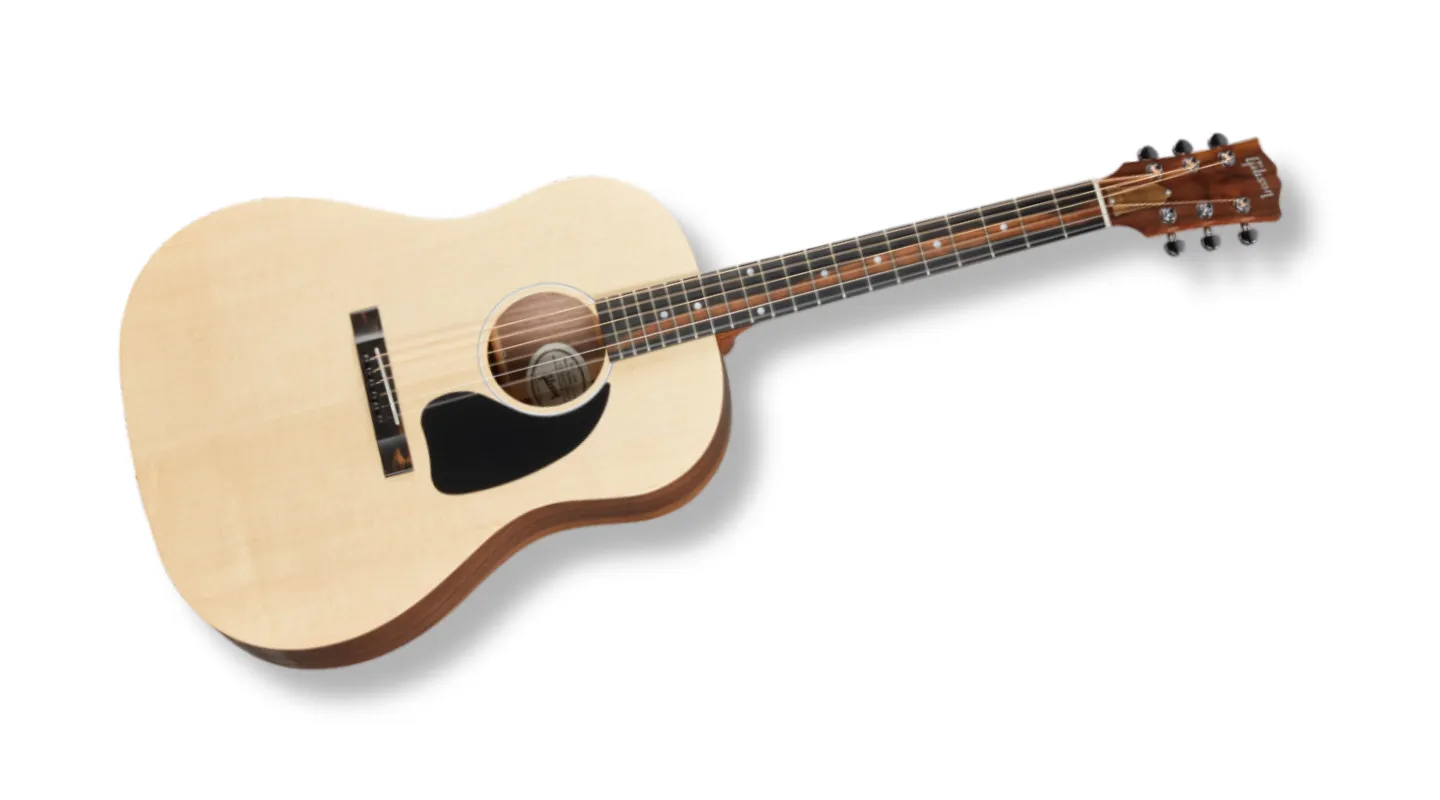
The Gibson G-45 is a dreadnought acoustic guitar with a solid Sitka spruce top, solid walnut back and sides, scalloped X bracing, and a player port.
The G-45 is part of the Generation™ Collection Series. The Generation™ Collection Series emphasizes innovation, with a focus on delivering quality instruments at a more accessible price point. The G-45, draws inspiration from a 1964 blueprint for an unproduced model called the Modern J-45, featuring an unconventional soundport on the lower side.
The G-45 costs around $1,199.00, though prices may vary across dealers and locations.
Sound and Tone (4/5):
The Gibson G-45 has a nice balanced tone with plenty of low-end punch and nice clean crisp highs.
The tone is crisp and clear, yet warm at the same time. The walnut back and sides lend a strong midrange presence to the G-45’s sound. This pronounced midrange contributes to the G-45’s focused projection but the bass frequencies are sometimes overpowered by the mid-range, particularly during heavy strumming. Overall the G-45 does not have as much bass and sounds a little boxy.
The G-45 has a decent amount of sustain. The sound port adds a subtle difference in projection and a slightly more resonant quality to the sound.
The Gibson G-45 earns a 4/5 rating for its sound and tone.
Playability and Comfort (5/5):
The Gibson G45 has a shallower body than most dreadnoughts, which makes the G45 more comfortable for extended seated playing. The Gibson G-45’s body depth measures 3-5/8″ (92.075 mm) at the top, 4-1/8″ (104.775 mm) at the waist, and 4″ (101.6 mm) at the bottom. Whereas, the deepest point on most dreadnoughts ranges between 4″ (101.6 mm) – 5″ (127 mm).
The G-45’s Advanced Response neck profile features a gentle “C” shape that’s neither too thin nor too thick. The neck thickness falls into a comfortable medium range. The neck is substantial enough to provide a confident grip without feeling bulky or cumbersome.
The satin nitrocellulose lacquer finish on the neck provides a smooth and non-sticky playing surface. Unlike gloss finishes, satin finishes allow for effortless hand movement along the neck.
The 24.75″ (628.65 mm) scale length is slightly shorter than the standard 25.4-25.5″ (645.16-647.7 mm) scale length found on many acoustic guitars. This shorter scale length results in lower string tension, making fretting easier and bending strings more effortless.
The Gibson G-45 earns a 5/5 rating for its playability and comfort.
Versatility (4/5):
The Gibson G-45, while rooted in blues and rock ‘n’ roll, works well in various genres like folk, country, bluegrass, Americana, pop, and rock. Gibson G-45’s bright, articulate tone and dynamic range suit these styles, particularly for strumming.
However, G-45’s sonic characteristics is not ideal for genres like jazz, which typically require darker, more resonant tones. The G-45 accommodates fingerpicking, bends, and slides very nicely thanks to its balanced response, articulate tone, and comfortable string tension.
The Gibson G-45 earns a 4/5 rating for its versatility.
Construction and Design (4/5):
The G-45 features the Player Port, a side-facing soundhole located on the upper bout. Compared to a guitar without a player port the sound feels much more direct, almost like hearing the guitar on a separate monitoring speaker.
The G-45 employs a traditional scalloped X-bracing pattern. The X bracing system provides a balance of structural integrity and flexibility, allowing the top to vibrate freely and contribute to the guitar’s resonance and projection. The scalloped bracing, where wood is strategically removed from the braces, further enhances this flexibility, enhancing the responsiveness and volume of the guitar.
Real ebony fingerboard and bridge, one-piece maple neck, and Grover Rotomatic tuning machines are positive aspects of the guitar’s build, contributing to its durability, tuning stability, and resonance. These high-quality components are indicative of Gibson’s attention to detail.
However, the satin finish has only a few coats of lacquer. There are noticeable dust specks underneath the finish and potential finish issues during future servicing. The G-45 does not have any binding. The only real binding on any of the edges is the sound port. The lack of binding on the guitar is surprising, despite the higher price point.
The Gibson G-45 earns a 4/5 rating for its construction and design.
Gibson G-45 Pros: Balanced tone, articulate and clear sound, comfortable neck profile, innovative Player Port design, high-quality components, good value for an all-solid wood guitar.
Gibson G-45 Cons: Midrange can overpower bass frequencies, boxy sound with less bass response, not the best for genres requiring darker tones, potential finish durability issues, lack of binding.
Recommendation for Gibson G-45:
The Gibson G-45 is a well-crafted acoustic guitar with a balanced tone, comfortable playability, and innovative features, making it a solid choice for around 1199$ (prices may vary).
Choose the G-45 if you want a versatile and modern take on the classic dreadnought design with a focus on comfortable playability and a clear, articulate tone.
Avoid this guitar if you prioritize a guitar with a traditionally resonant, bass-heavy tone.
Recommendation for Gibson G-45
The Gibson G-45 is a well-crafted acoustic guitar with a balanced tone, comfortable playability, and innovative features, making it a solid choice for around 1199$ (prices may vary).
Choose the G-45 if you want a versatile and modern take on the classic dreadnought design with a focus on comfortable playability and a clear, articulate tone.
Avoid this guitar if you prioritize a guitar with a traditionally resonant, bass-heavy tone.
| Gibson G-45 Specifications | |
| Body Type: | Slope Shoulder Dreadnought |
| Top Material: | Sitka Spruce |
| Back and Sides Material: | Walnut |
| Bracing: | Traditional Scalloped X-bracing |
| Neck Material: | Utile |
| Scale Length: | 24.75″ (628.65 mm) |
| Fingerboard Material: | Ebony |
| Saddle/Nut Material: | TUSQ |
| Frets: | 20 |
| Finish: | Satin Nitrocellulose Lacquer |
| Typical Price in the USA: | Around $1,199 (prices may vary) |
| Where to Buy: | Guitar Center, Gibson Dealers |
5. Martin DSS-17
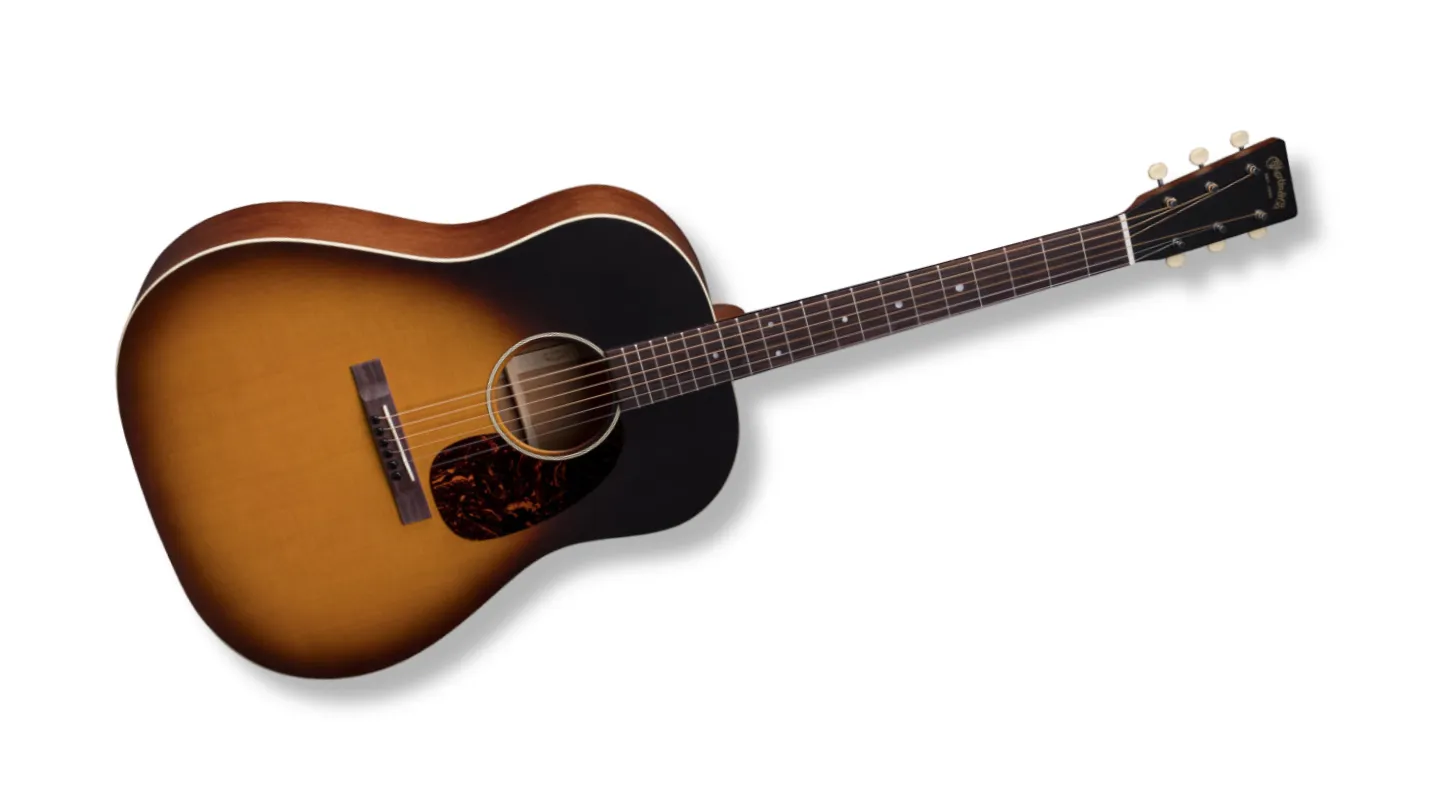
The Martin DSS-17 is a slope-shoulder dreadnought acoustic guitar with a solid Sitka spruce top, solid mahogany back and sides, and scalloped X-bracing.
The Martin DSS-17 is part of the Martin 17 Series. Martin 17 Series guitars are crafted in Nazareth, Pennsylvania, using the same methods as Martin’s pricier models. However, the use of affordable tonewoods like mahogany and granadillo makes the 17 Series’s price point more accessible.
Players often refer to the DSS-17 as a “poor man’s D-18,” highlighting its sonic resemblance to the iconic D-18 at a more affordable price point. The DSS-17 costs around $1,799 (prices may vary).
Sound and Tone (4/5):
The DSS-17 has a warm and pleasant overall tone with a vintage character. The DSS-17 has clear and articulate highs, although the highs are less pronounced than the midrange. The midrange is where the DSS-17 truly excels. The mid-range has a “punchy” and “booming” character, adding a strong presence to the overall tonal balance. While the DSS-17 doesn’t have the low-end depth of a D-18, it still delivers a pleasing warmth and richness, thanks to the solid mahogany back and sides, giving the DSS-17 a full-bodied sound. Despite its smaller body size compared to a full dreadnought, the DSS-17 surprises with its volume and projection. The Martin DSS-17 earns a 4/5 rating for its sound and tone.
Playability and Comfort (4/5):
The DSS-17, with its slope-shoulder design, is slightly smaller and more comfortable than a regular dreadnought. However, players with smaller frames might still find the body shape somewhat bulky for extended playing sessions.
The DSS-17 features a modified slim oval neck profile with a high-performance taper. The slimmer profile allows for easy navigation of the fretboard, while the taper towards the headstock provides a comfortable grip for both thumb-over and classical positioning. The satin neck finish offers a smooth and non-sticky feel.
The DSS-17 has a 25.4″ (645.16 mm) scale length, which strikes a balance between comfortable string tension and a familiar feel for players used to standard acoustic guitar scales. The DSS-17 has a 1 3/4″ (44.45 mm) nut width, providing ample space between the strings. This makes it comfortable for fingerstyle playing and players with larger fingers while contributing to a more open feel when forming chords.
The Martin DSS-17 earns a 4/5 rating for its playability and comfort.
Versatility (4/5):
The DSS-17 is well-suited for folk, blues, singer-songwriter, and other genres that benefit from its warm and balanced tone.
The DSS-17 responds well to both delicate fingerstyle playing and more aggressive strumming techniques. Its comfortable neck profile and string spacing make it well-suited for intricate fingerpicking patterns.
The DSS-17 is not the most travel-friendly guitar due to its size, but its lighter weight of around 4 lbs makes it easier to transport than standard dreadnoughts.
The Martin DSS-17 earns a 4/5 rating for its versatility.
Construction and Design (5/5):
The DSS-17 utilizes a scalloped X-bracing pattern, a traditional design element found in many Martin guitars. Scalloped bracing, where braces are shaved down in specific areas, allows the guitar’s top to vibrate more freely, resulting in a more resonant and responsive instrument.
The DSS-17’s satin finish allows the wood to resonate more freely than a thicker gloss finish would, enhancing the guitar’s natural vibrations and contributing to its overall tonal quality.
The DSS-17 features a bone nut and saddle. Bone, as a hard and dense material, efficiently transfers string vibrations to the guitar’s body, resulting in a brighter and more articulate tone.
The Martin DSS-17 is lightweight, weighing around 4 lbs, although the exact weight can vary slightly between individual guitars due to variations in the wood used during construction.
The Martin DSS-17 earns a 5/5 rating for its construction and design.
Martin DSS-17 Pros: Warm and pleasant tone with vintage character, punchy and booming midrange, comfortable neck profile, solid construction, lightweight for a dreadnought.
Martin DSS-17 Cons: Highs are less pronounced than midrange, large body size may be uncomfortable for some players, and not ideal for travel.
Recommendation for Martin DSS-17
The Martin DSS-17 is a balanced and versatile acoustic guitar with a warm tone, comfortable playability, and solid construction.
Consider the DSS-17 if you prioritize a warm and balanced tone with a strong midrange presence, and find the slope shoulder dreadnought body comfortable to play.
Avoid the DSS-17 if you require a guitar with a more pronounced high-end or prefer a smaller body size.
| Martin DSS-17 Specifications | |
| Body Type | Dreadnought slope-shoulder |
| Top Material | Spruce |
| Back and Sides Material | Mahogany |
| Bracing | X-Brace |
| Neck Material | Select Hardwood |
| Scale Length | 25.4″ (645.16 mm) |
| Fingerboard Material | Rosewood |
| Saddle/Nut Material | Compensated Bone |
| Frets | 20 |
| Finish | Satin |
| Typical price in the USA | Around $1,799.00 (prices may vary) |
| Where to Buy | Authorized Martin Guitar Dealers like Sweetwater and Guitar Center, Official Martin Guitar website |
6. Guild D-20
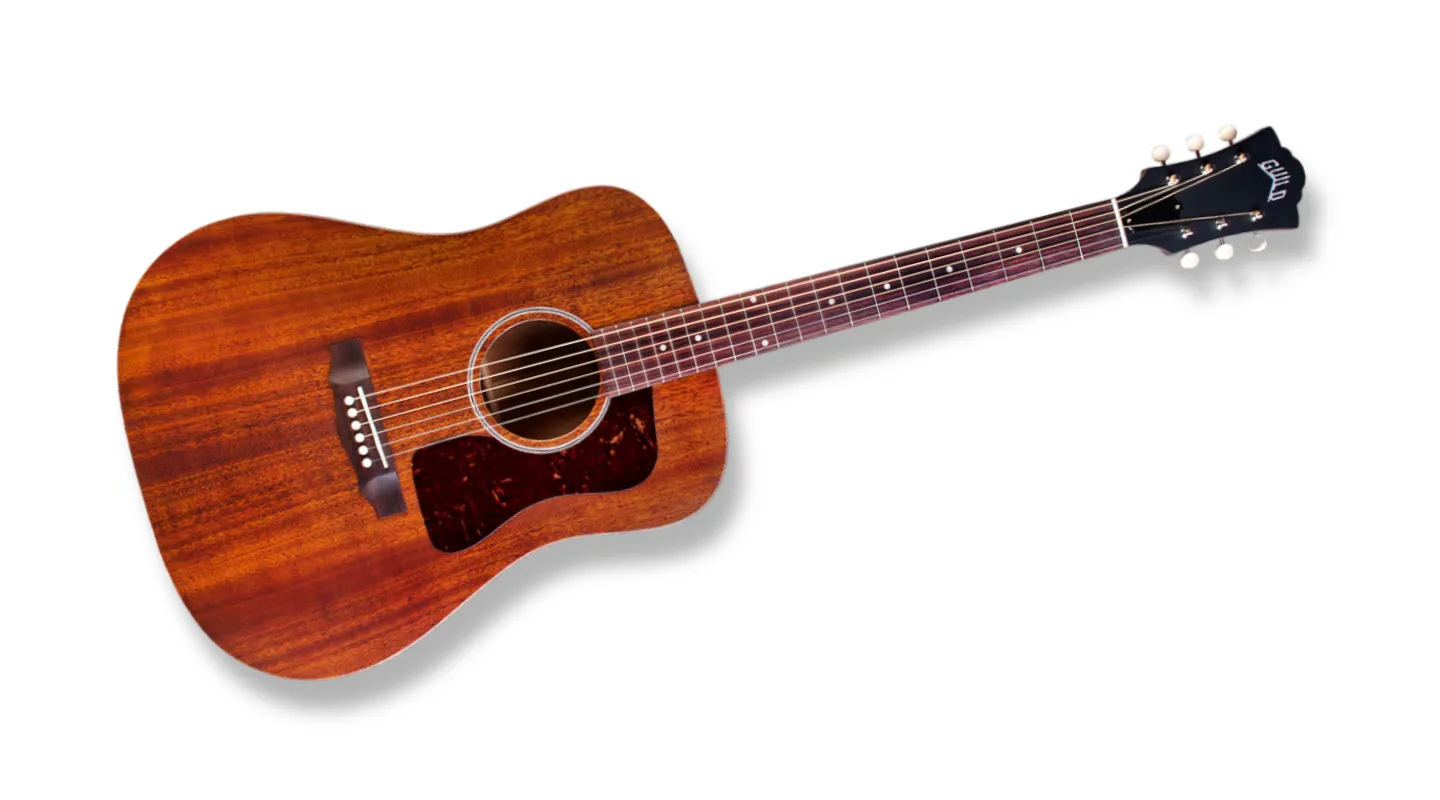
The Guild D-20 is a dreadnought acoustic guitar featuring an all-solid wood African mahogany body (top, back, and sides) and scalloped X bracing.
The Guild D-20 was previously known as the Guild D-25. Original D-25 models featured a full gloss finish, while current D-20s have a satin finish for enhanced resonance and a more affordable price point. Ren Ferguson, a renowned luthier, redesigned the bracing, improving tone and playability.
The D-20 is part of Guild’s USA-made line, known for quality and craftsmanship. It is considered a modern take on the classic all-mahogany dreadnought design that Guild introduced in 1968. The Guild D-20 costs around $1,699 (prices may vary).
Sound and Tone (4/5):
The Guild D-20 has a warm, full, woody tone due to its all-mahogany construction. While mahogany is not known for its bright top end, the D-20’s highs are “clear” and “airy” without being overly bright or harsh.
The midrange is where the D-20 delivers a “rich” and “warm” tonal character. This strong midrange contributes to the guitar’s overall warmth and fullness. The D-20 has a “fat,” “woody,” and “deep” bass response, typical of a dreadnought with a solid mahogany body.
The bass can be slightly “mushy”, but this should improve as the guitar ages and opens up. The D-20 has a loud and projective volume.
The D-20 has a long, resonant sustain, a result of its solid wood construction, scalloped braces, and thin satin finish that allows the wood to vibrate freely.
The Guild D-20 earns a 4/5 rating for its sound and tone.
Playability and Comfort (4/5):
The D-20’s “softer C” neck profile is very comfortable. The shape fills the hand nicely without feeling bulky, and it tapers smoothly from the nut towards the body, providing a comfortable grip for both chords and lead playing. The satin finish on the neck feels smooth and natural, making it easy to move the hand quickly and comfortably.
The 25 5/8″ (649.625 mm) scale length feels balanced and familiar. The 1 11/16″ (42.86 mm) nut width is more focused but still gives enough space between the strings for both fingerpicking and chords.
The D-20 is a dreadnought, so its larger body size might be a bit too bulky for players with smaller frames, especially during longer playing sessions. That being said, at 4.26 lbs (1.93 kg) the D-20 is lightweight for an all-solid body dreadnought.
Overall, the Guild D-20 earns a 4/5 for playability and comfort.
Versatility (5/5):
The D-20’s warm tone might suggest a focus on blues, folk, and Americana, but the D-20 is equally at home with rock, pop, and even lighter jazz styles. This sonic flexibility is matched by its suitability for a variety of techniques.
The D-20 is exceptionally well-suited for fingerstyle playing thanks to its comfortable string spacing and well-defined note separation, which prevents individual notes from muddying together even during complex passages. The D-20 also handles strumming with ease, producing a full, powerful sound.
The Guild D-20 earns a 5/5 rating for its versatility.
Construction and Design (5/5):
The D-20 follows the classic dreadnought blueprint with a body length of 20″ (508 mm), a lower bout width of 16″ (406.4 mm), and an upper bout width of 11.75″ (298.45 mm). The D-20’s body depth ranges from 4″ (101.6 mm) at the upper bout to 5″ (127 mm) at the lower bout.
The D-20 utilizes a scalloped X-bracing pattern. The scalloped braces are strategically shaved to reduce their mass, enhancing the top’s responsiveness and contributing to a louder, more resonant tone.
The D-20’s thin satin nitrocellulose lacquer finish is more than just an aesthetic choice. Nitrocellulose lacquer allows the wood to “breathe” and vibrate more freely, resulting in a more resonant and responsive instrument. The thin application minimizes dampening, further enhancing the guitar’s natural tone and allowing the solid mahogany to age and mature over time.
The D-20 features a bone nut and saddle. Bone is a natural material with a specific density and porosity that allows it to transmit a wider range of frequencies, contributing to a richer, more complex tone with clearer note definition and enhanced sustain.
The Guild D-20 embodies a classic, understated aesthetic, lacking intricate inlays or elaborate bindings; its beauty lies in its simplicity.
The Guild D-20 earns a 5/5 rating for its construction and design.
Guild D-20 Pros: Warm balanced tone, long resonant sustain, comfortable neck profile, well-suited for fingerstyle, powerful strumming, quality craftsmanship, solid wood construction, bone nut and saddle, lightweight for a dreadnought.
Guild D-20 Cons: Larger body size may not suit smaller players, bass response can be slightly mushy initially (though it improves with age).
Recommendation for Guild D-20
The Guild D-20 is a well-crafted instrument that delivers exceptional sound, impressive versatility, and comfortable playability.
Choose the Guild D-20 if you want a USA-made guitar with a warm, resonant tone of an all-mahogany dreadnought.
Avoid the D-20 if you prefer a brighter, more articulate sound or need a guitar that’s more compact and easier to handle.
| Guild D-20 Specifications | |
| Body Type | Dreadnought |
| Top Material | Solid Sitka Spruce |
| Back and Sides Material | Solid African Mahogany |
| Bracing | Scalloped Sitka Spruce |
| Neck Material | African Mahogany |
| Scale Length | 25 1/2″ (647.7 mm) |
| Fingerboard Material | Rosewood |
| Saddle/Nut Material | Bone |
| Frets | 20 |
| Finish | Gloss Polyurethane |
| Typical price in the USA | Around 1699$ (prices may vary) |
| Where to Buy | Sweetwater, Musician’s Friend, Guitar Center, Chicago Music Exchange |
7. Larrivee L-03MH
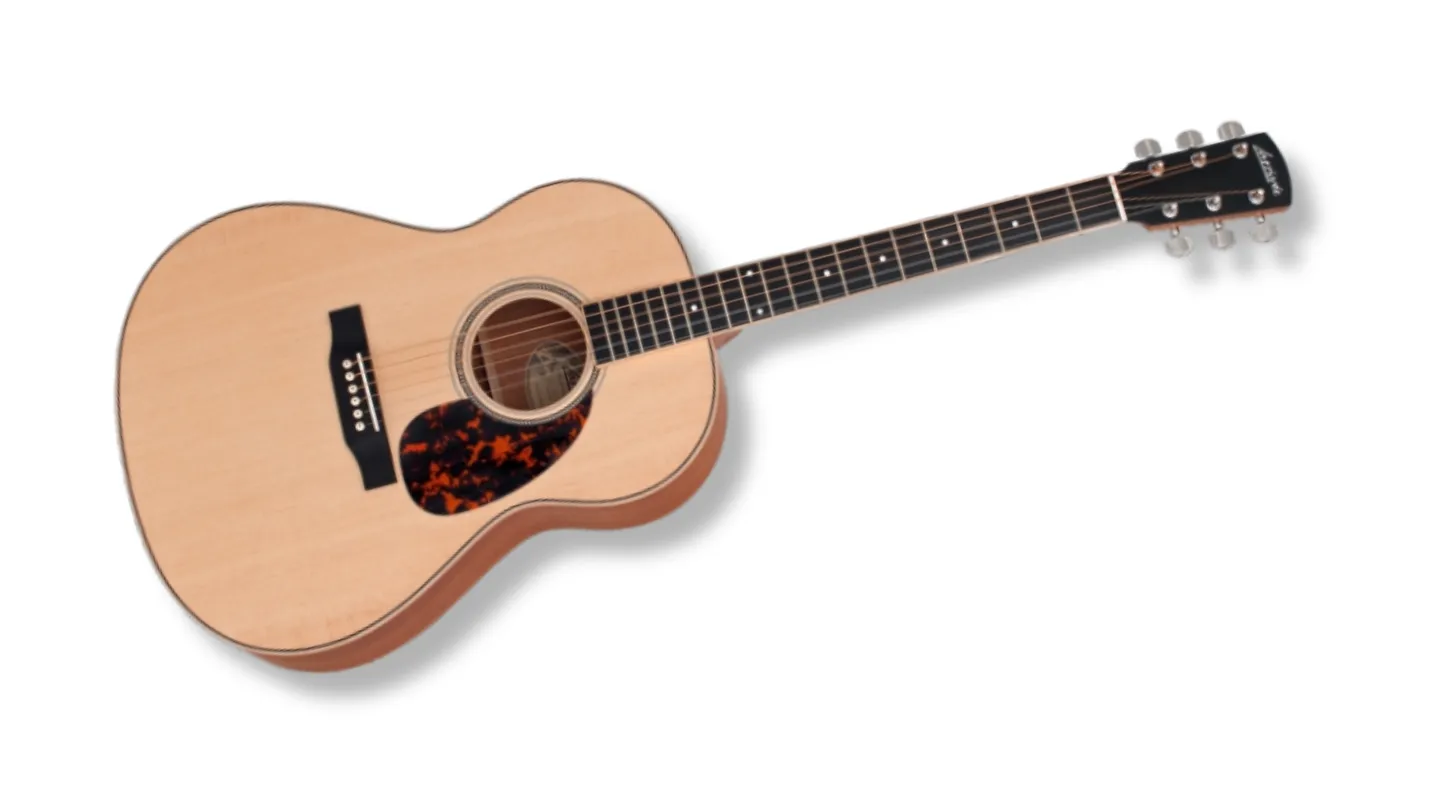
The Larrivee L-03MH is an acoustic guitar with a unique Larrivee “L” body shape that blends the waist of a smaller concert-style guitar with the size of a dreadnought. The L-03MH features a solid Sitka spruce top, solid mahogany back and sides, and non-symmetrical X-bracing.
The L-03MH is part of Larrivee’s 03 Series, known for offering high-quality instruments at a more accessible price point. Larrivee guitars are respected for their consistent quality, craftsmanship, and use of solid woods. The Larrivee L-03MH typically costs around $1,880 in the USA.
Sound and Tone (5/5):
The Larrivee L-03MH has warm overtones and a balanced and articulate sound with a full body and pronounced midrange.
The highs are clear and “ringing,” adding vibrancy and definition to the overall tone. The Sitka spruce top contributes to the bright and articulate nature of the highs.
The L-03MH provides ample bass response without becoming boomy, creating a balanced low end.
The Larrivee L-03MH earns a 5/5 rating for its sound and tone.
Playability and Comfort (5/5):
The L-03MH’s C/D neck profile strikes a balance between a comfortable grip for chords and ample space for intricate fingerstyle work. The rounded “C” shape transitions smoothly into a subtle “D” shoulder, providing a secure feeling in the hand without feeling bulky.
The 16″ (406.4 mm) fretboard radius is relatively flat. The flatter surface makes it easier to fret notes, especially when playing barre chords, which require pressing down multiple strings with one finger.
The 25.5″ (647.7 mm) scale length is a standard scale length found on many acoustic guitars. The 25.5″ (647.7 mm) scale length provides a familiar feel and string tension that’s neither too tight nor too loose.
A nut width of 1.75″ (44.45 mm) is slightly wider than what you’d find on some acoustic guitars, offering a bit more space between the strings. This added spacing can be beneficial for fingerstyle playing, allowing for cleaner picking and reduced chances of accidentally brushing adjacent strings.
The hand-rubbed satin finish on the neck, as opposed to a glossy finish, provides a smooth, non-sticky feel that enhances grip and comfort, especially during longer playing sessions.
The Larrivee L-03MH earns a 5/5 rating for its playability and comfort.
Versatility (4/5):
The L-03MH is a versatile instrument suitable for folk, bluegrass, blues, and even lighter rock styles. The L-03MH’s balanced tonal response, with a well-defined midrange and articulate highs, lends itself well to the melodic focus of folk and blues. L-03MH’s clear projection and strong bass response can also hold its own in the more rhythmically driven styles of bluegrass and lighter rock.
Both fingerstyle and flatpicking techniques are well-suited to the L-03MH, thanks to its balanced tone and comfortable playing characteristics. This versatility stems from the L-03MH’s ability to produce articulate individual notes, which are ideal for fingerstyle playing. However, the L-03MH also has a full, robust sound that responds well to flatpicking techniques like alternate picking, hybrid picking, and cross picking.
The L-03MH’s size is manageable for transporting, though not as compact as smaller-bodied guitars.
The Larrivee L-03MH earns a 4/5 rating for its versatility.
Construction and Design (5/5):
The Larrivee L-03MH is constructed with Larrivee’s distinctive “L” body shape. The L-03MH’s lower bout measures 16″ (406.4 mm). The L-03MH has a 10.25″ (260.35 mm) waist. The upper bout measures 11.625″ (295.28 mm).
The top wood is solid Sitka spruce. The tight, even grain of Sitka Spruce is known for producing a broad dynamic range and clear articulation. Mahogany back and sides are a resilient choice that is more resistant to fluctuations in humidity and temperature.
The L-03MH uses bone for its nut and saddle. The bone is known for its ability to transfer vibrations efficiently, contributing to a lively and resonant tone.
The satin finish on the L-03MH provides a classic look and allows the wood to vibrate more freely. The L-03MH has a simple, elegant aesthetic. The maple binding, rosette, and natural wood grain give it a classic look.
The Larrivee L-03MH earns a 5/5 rating for its construction and design.
Larrivee L-03MH Pros: Balanced and articulate tone, comfortable “L” body shape, high-quality solid wood construction, bone nut and saddle, good projection.
Larrivee L-03MH Cons: Lacks the inherent loudness for aggressive strumming, simple aesthetic might not appeal to everyone.
Recommendation for Larrivee L-03MH
The Larrivee L-03MH is an excellent all-around acoustic guitar known for its exceptional craftsmanship, balanced tone, and comfortable playability.
Choose the Larrivee L-03MH if you want a slightly smaller, more comfortable body shape that provides full and balanced sound.
Avoid the Larrivee L-03MH if you prefer a guitar with a brighter, more modern sound.
| Larrivee L-03-MH Specifications | |
| Body Type | Larrivee “L” body shape |
| Top Material | Solid Sitka Spruce |
| Back and Sides Material | Solid Mahogany |
| Bracing | X-Brace |
| Neck Material | Mahogany |
| Scale Length | 25.5″ (647.7 mm) |
| Fingerboard Material | Ebony |
| Saddle/Nut Material | Bone |
| Frets | 14 |
| Finish | Satin |
| Typical Price in the USA | Around $1880 (prices may vary) |
| Where to Buy | Larrivee authorized dealers |
8. Eastman E8OM TC
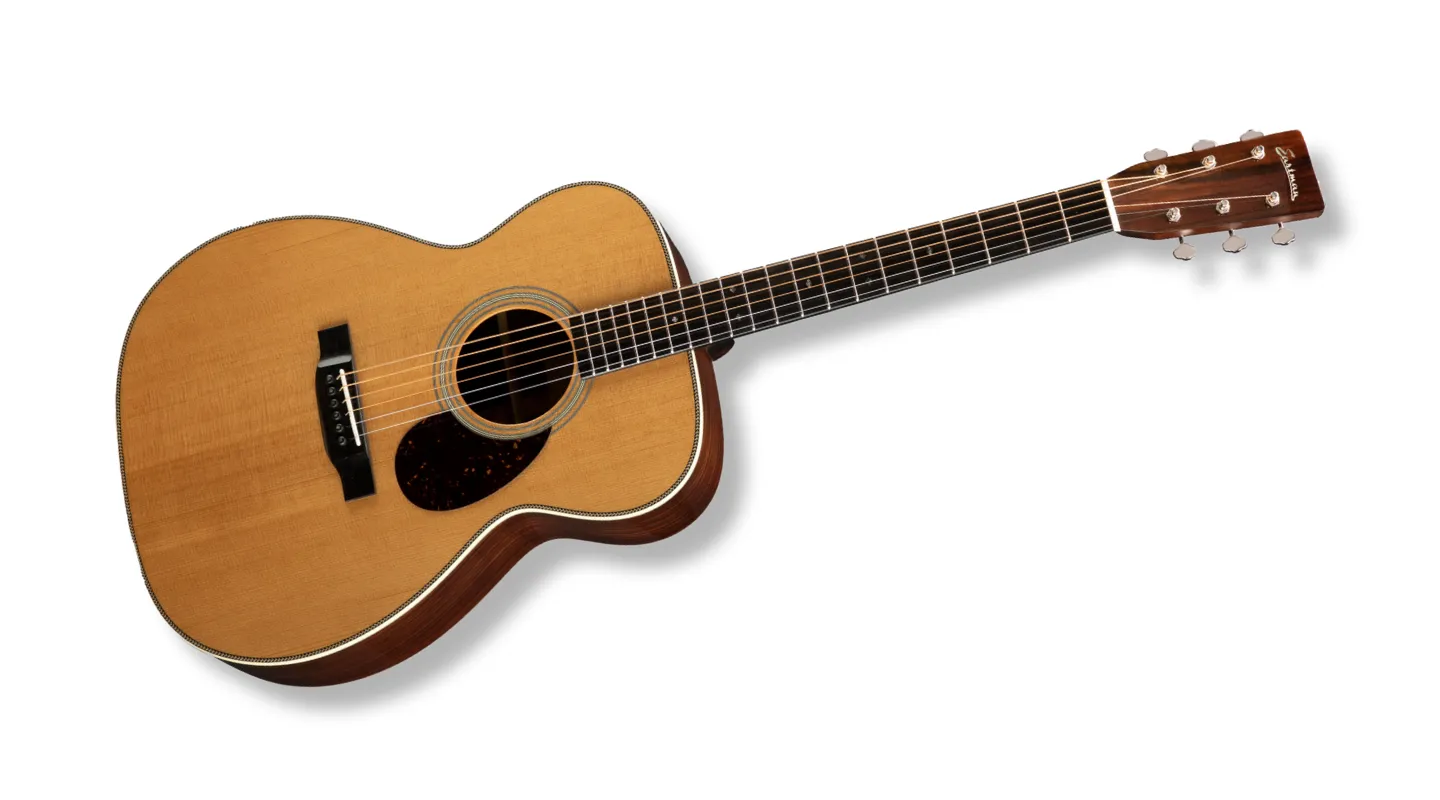
The Eastman E8OM TC is an orchestra model acoustic guitar, with a solid Thermo-Cured Sitka Spruce top, solid Rosewood back and sides, and hand-carved scalloped X bracing.
The E8OM-TC belongs to the Eastman Traditional Series. The Traditional Series emphasizes classic design elements and high-quality craftsmanship, aiming to provide a rich and authentic acoustic experience.
The “TC” in the model name stands for “Thermo Cured,” indicating that the top wood has undergone a torrefaction process to enhance its tonal qualities and mimic the sound of aged wood.
The Eastman E8OM TC costs around $1749 but prices may vary across dealers and locations.
Sound and Tone (4/5):
The Eastman E8OM TC produces a warm, balanced tone with shimmering highs and a slight midrange scoop. The E8OM TC is responsive and dynamic.
The highs are clear with good note separation, although when using medium gauge strings there was a slight loss of clarity and ringiness in the B and E strings.
The midrange is slightly scooped and less pronounced when compared to the highs and lows.
The E8OM TC offers deep, resonant lows that are well-balanced with the rest of the frequencies. This bass response becomes particularly pronounced when tuned down, producing a full, resonant sound ideal for alternate tunings.
The E80M TC is loud and projective for its size, with good dynamic range. The Eastman E8OM TC earns a 4/5 rating for its sound and tone.
Playability and Comfort (4/5):
The orchestra model body of the E8OM TC provides a comfortable middle ground between the larger dreadnought and smaller parlor sizes, making it an excellent choice for players who find dreadnoughts too bulky.
The E8OM TC features a “C” neck profile. This rounded contour settles naturally into the hand, providing a comfortable grip. The “C” shape strikes a balance between the fullness of a “D” shape and the slimmer feel of a “V” shape, offering a reassuring substance without feeling bulky.
The Eastman E8OM TC features a 24.9″ (632.46 mm) scale length, which is slightly shorter than the standard 25.4″ – 25.5″ (645.16 mm – 647.7 mm) scale. This slightly shorter scale length contributes to a slinkier feel, making string bends and vibrato easier to execute.
The 1 3/4″ (44.45 mm) nut width is on the wider side, benefiting fingerstyle playing and players with larger hands. The Eastman E8OM TC earns a 4/5 rating for its playability and comfort.
Versatility (4/5):
The E8OM TC’s warm, balanced tone and responsive nature make it particularly suitable for fingerstyle-focused genres such as folk, blues, and Celtic music.
The E8OM TC excels at both delicate fingerstyle techniques and more aggressive strumming patterns.
The E8OM TC’s balanced tonal response ensures that notes remain clear and defined regardless of the playing style.
The E8OM TC’s natural volume and projection make it suitable for smaller venues and unplugged performances. The E8OM-TC’s balanced tone allows it to blend well in an ensemble setting or hold its own as a solo instrument.
The Eastman E8OM TC earns a 4/5 rating for its versatility.
Construction and Design (5/5):
The Eastman E8OM-TC orchestra body measures 15″ (381 mm) at the lower bout, has a body depth of 4-1/4″ (107.95 mm), and a weight of around 4 lbs and 10 oz (varies due to solid wood construction).
The Eastman E8OM-TC has a Truetone Gloss finish. A thick gloss finish provides a more durable and moisture-resistant layer compared to thinner satin finishes. However, thicker finishes dampen vibrations, affecting the guitar’s volume potential.
The E8OM TC employs a bone nut and saddle. Bone, being a hard, natural material, efficiently transmits string vibrations to the guitar’s top, contributing to better sustain and tonal clarity. Compared to synthetic materials like Tusq or Micarta, bone is known for its brighter, more articulate tone.
The E8OM TC features a classic aesthetic with understated decorative elements. The abalone snowflake inlays on the fretboard add a touch of visual flair without being overly ornate. The natural wood grain of the Sitka Spruce top and Rosewood back and sides is complemented by the herringbone binding, contributing to a refined, elegant look.
The Eastman E8OM TC earns a 5/5 rating for its construction and design.
Eastman E8OM TC Pros: Warm and balanced tone, responsive and dynamic playing experience, comfortable neck profile, shorter scale length (24.9″), good sustain, high-quality solid wood construction, bone nut and saddle.
Eastman E8OM TC Cons: Potential loss of clarity on high strings with medium gauge strings, thick gloss finish.
Recommendation for Eastman E8OM TC
The Eastman E8OM-TC is a solid wood acoustic with a warm, balanced tone, comfortable neck profile, and classic understated aesthetic.
Choose the Eastman E8OM-TC if you’re looking for a comfortable and responsive guitar ideal for fingerpicking across genres like folk, blues, and Celtic music.
Avoid the Eastman E8OM-TC if you require a guitar with a strong midrange presence for genres like rock or bluegrass, as the E8OM-TC has a slightly scooped midrange.
| E8OM Thermo-Cure Specifications | |
| Body Type | Orchestra |
| Top Material | Solid Sitka Spruce |
| Back and Sides Material | Solid Rosewood |
| Bracing | Hand-Carved Scalloped X |
| Neck Material | Mahogany |
| Scale Length | 24.9″ (632.46 mm) |
| Fingerboard Material | Ebony |
| Saddle/Nut Material | Bone |
| Frets | 20 |
| Finish | Truetone Gloss |
| Typical price in the USA | Around $1749 (prices may vary) |
| Where to Buy | Available at authorized dealers listed on the Eastman Guitars website |
9. Taylor 317
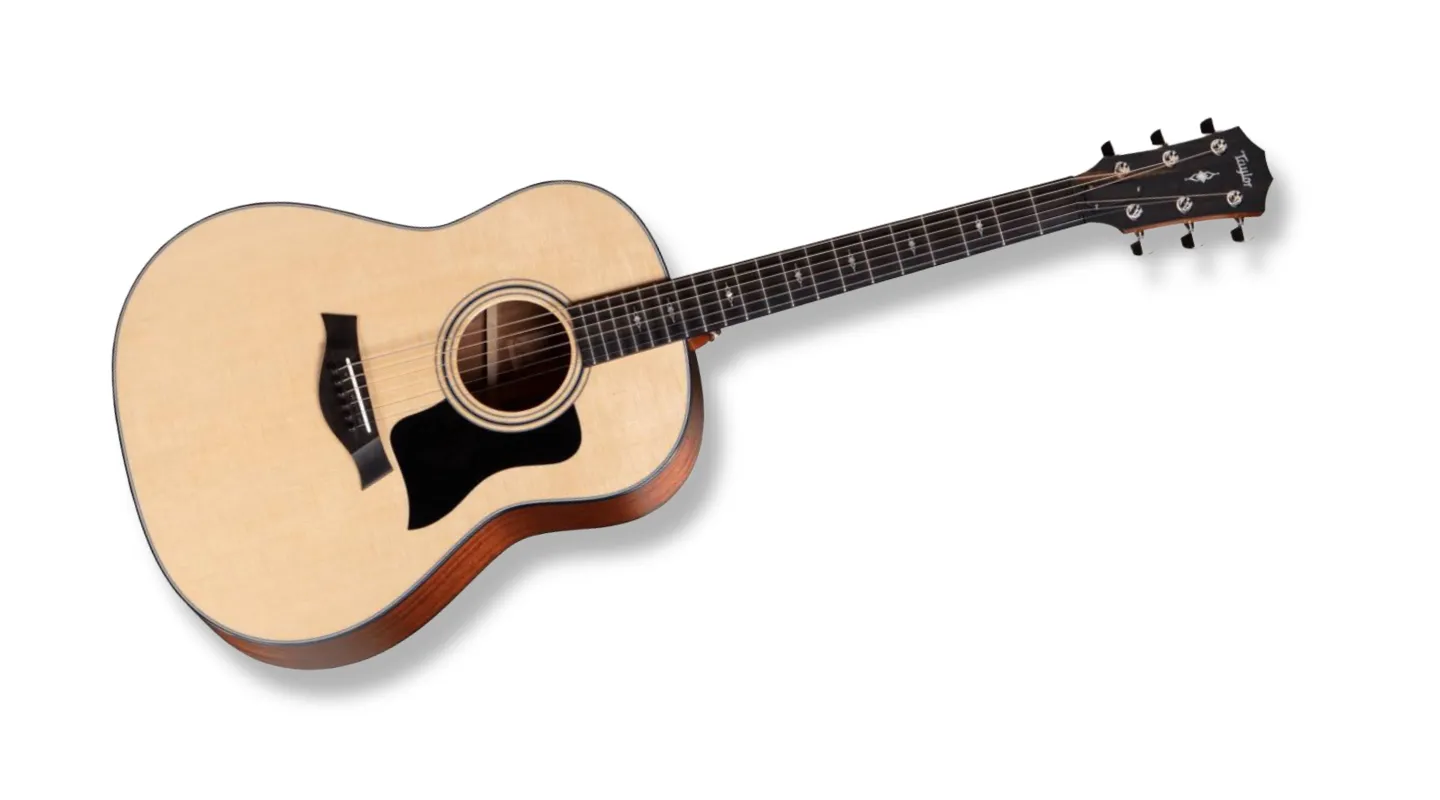
The Taylor 317 is a slope-shoulder dreadnought acoustic guitar. The 317 features a solid Sitka spruce top, solid Sapele back and sides, and Taylor’s V-Class Grand Concert bracing with a relief rout. Introduced in 2019, the Taylor 317 Grand Pacific is a relatively new model. The 317 represents Taylor’s entry point into the round-shoulder dreadnought category with the Grand Pacific body shape. The 317 is part of Taylor’s 300 series, known for offering an “all-solid-wood, USA-made acoustic experience” at an approachable price point. The V-Class bracing in the 317 represents a fundamental innovation over traditional X-bracing, aiming to improve intonation, volume, and sustain. The Taylor 317 costs around $1999 (prices may vary).
Sound and Tone (5/5):
The Taylor 317 blends mahogany-like clarity with rosewood-like complexity.
The 317 has bright, clear highs, well-defined without harshness. The sapele back and sides, coupled with the V-Class bracing, contribute to a warm and seasoned acoustic sound with well-defined mids. This results in a balanced tonal response, avoiding an overly scooped or emphasized midrange. The Taylor 317 has a strong, clear low-end without being overly boomy.
The 317 projects well with notable volume. The sustain is long with gradual decay which is likely caused by the V-Class bracing system that allows the top to vibrate more freely than X bracing systems.
The Taylor 317 earns a 5/5 rating for its sound and tone.
Playability and Comfort (4/5):
The 317 has a larger body that might feel bulky for players accustomed to smaller guitars. However, the 317 is more comfortable than a regular sized dreadnoughts due to its round-shouldered design.
The Taylor Standard Profile neck, a “medium” C shape, sits comfortably in hand – neither too thin nor too thick, though tending towards the thicker side of medium.
The satin finish on the neck provides a smooth and non-sticky playing surface. This allows for effortless movement along the neck and enhances playability.
With a scale length of 25.5″ (647.7 mm), the Taylor 317 offers comfortable standard string tension suitable for both fingerstyle playing and strumming. The 1.75″ (44.45 mm) nut width provides ample spacing between the strings, making it comfortable for fingerpicking.
The Taylor 317 earns a 4/5 rating for its playability and comfort.
Versatility (5/5):
The Taylor 317 Grand Pacific, with its balanced tone and responsive playability, is well-suited for a variety of genres, including folk, bluegrass, blues, rock, and pop.
The Taylor 317’s ability to handle both delicate fingerpicking and more aggressive strumming makes it versatile across these genres. The comfortable neck and string spacing make the 317 suitable for intricate fingerstyle playing. Simultaneously, the dreadnought body and V-Class bracing can handle the demands of percussive strumming and flatpicking. The Taylor 317’s balanced tonal response ensures that various techniques, such as slides, hammer-ons, and pull-offs, are rendered with clarity and definition.
The Taylor 317 earns a 5/5 rating for its versatility.
Construction and Design (4/5):
The Taylor 317 Grand Pacific features Taylor’s innovative V-Class bracing. This bracing system replaces the traditional X-brace with a V-shaped structure. This strategic shift from a cross-shaped brace to a V-pattern directly addresses the inherent limitations of traditional X bracing. Rather than simply reinforcing the soundboard, the V-shape encourages a more efficient and unified vibration pattern across its surface, maximizing the energy transfer from the strings.
The Taylor 317 Grand Pacific utilizes a nut crafted from graphite, a self-lubricating material known for its ability to enhance tuning stability. Compared to traditional bone or synthetic bone nuts, graphite requires less maintenance and exhibits superior resistance to changes in humidity.
The Taylor 317 is a handsome guitar, but it’s not overly ornate. The Italian acrylic gemstone inlays add a touch of elegance without being too flashy. The natural wood grain of the Sitka spruce top is often quite attractive, and the satin finish on the back and sides gives it a more understated look.
The Taylor 317 earns a 4/5 rating for its construction and design.
Taylor 317 Pros: Balanced and rich tone, exceptional sustain, comfortable neck profile, smooth satin finish on neck.
Taylor 317 Cons: Larger dreadnought body may be cumbersome for some players, higher price point.
Recommendation for Taylor 317
The Taylor 317 Grand Pacific is an all-around acoustic guitar with exceptional craftsmanship, a comfortable playing experience, and a versatile tonal palette well-suited for various playing styles and musical genres.
Choose the Taylor 317 if you seek a versatile and well-crafted acoustic guitar with a balanced tone and exceptional sustain from a reputable brand.
Avoid the 317 if you prefer a smaller-bodied acoustic guitar or find the slope-shouldered dreadnought size too cumbersome.
| Taylor 317 Specifications | |
| Body Type | Dreadnought |
| Top Material | Sitka Spruce |
| Back and Sides Material | Sapele |
| Bracing | V Class |
| Neck Material | Tropical Mahogany |
| Scale Length | 25.5″ (647.7 mm) |
| Fingerboard Material | West African Ebony |
| Saddle/Nut Material | Black Tusq Nut/White Micarta Saddle |
| Frets | 20 |
| Finish | Gloss on top, satin on back/sides and neck |
| Typical Price in the USA | Around $1,599.00 (prices may vary) |
| Where to Buy | Authorized Taylor dealers |
What features to look for in an acoustic guitar under 2000?
The features to look for in an acoustic guitar under $2000 include solid tonewoods, signs of high-quality craftsmanship, a comfortable neck, and good brand reputation. These features have a direct impact on the tone, playability, versatility, and quality of construction of the acoustic guitar.
As stated in “The Guitar Handbook” by Ralph Denyer, “The use of solid woods versus laminates plays a crucial role in both the sound and price of an acoustic guitar. While laminates offer durability and affordability, solid woods, particularly for the soundboard, generally produce a richer, more resonant tone with greater complexity and volume.” For example, a solid spruce provides a bright and articulate sound, while a solid mahogany offers warmth and resonance.
High-quality craftsmanship is essential in the $1000-$2000 price range, as it directly affects the guitar’s sound, playability, and lifespan. While the allure of premium tonewoods like Adirondack spruce or Indian rosewood is undeniable, good craftsmanship ensures these materials reach their full potential.
When inspecting the quality of the craftsmanship, look for clean fret slots, neatly dressed frets with no sharp edges, and a well-shaped nut and saddle—ideally made from bone for superior tone and sustain. Examine the bracing patterns—the internal wooden structure that supports the guitar’s top. A well-executed bracing pattern, whether it’s the traditional X-brace or a more modern variation, enhances the guitar’s resonance, projection, and tonal balance. Finally, a flawless finish speaks volumes about the builder’s attention to detail. The finish should be smooth, even, and free of blemishes, highlighting the beauty of the wood.
Playability is another key aspect. A well-crafted guitar in the 1000$-2000$ price range should be a joy to play. Pay close attention to the guitar’s body shape and neck profile, as these have a big impact on comfort and playability.
For example, a dreadnought body style might feel bulky for some players, while a smaller grand auditorium or concert body style might be more comfortable for fingerpicking and players with smaller hands.
Consider the neck profile or the shape of the neck’s back, and how it feels in your hand. A “C”-shaped neck is generally considered comfortable for a wide range of playing styles, while a “V”-shaped neck might be preferable for players with larger hands who prefer a more substantial grip.
When testing playability, pay attention to how smoothly your hand moves up and down the neck, the ease of fretting chords, and the overall comfort during both strumming and fingerpicking.
The best acoustic guitar brands include Taylor, Martin, and Guild.
Taylor Guitars, known for their bright, modern sound and innovative designs, often feature sleek aesthetics, thin neck profiles, and onboard electronics, appealing to a wide range of players, from beginners to professionals.
Martin Guitars, with a rich history dating back to the 1800s, are celebrated for their warm, balanced tone, iconic designs like the dreadnought as well as their meticulous craftsmanship using traditional techniques.
Guild Guitars, founded in 1952, have earned a reputation for producing high-quality instruments with a focus on vintage-inspired designs, offering players a classic aesthetic combined with modern playability.
The established reputations of these brands provide assurance of quality and customer support that are important when it comes to the nuances in quality in the $1000-$2000 price range.
How much does an acoustic guitar for a professional musician typically cost?
An acoustic guitar for a professional musician typically costs between $2000 and $5000 but the price can go well over $10,000. Factors influencing price include brand reputation, craftsmanship, materials (rare tonewoods), and even historical significance. For example, a Martin D-28 costs over $3,000, a Taylor 517 costs over $3,000, and a Gibson J-45 costs over $2,500.
What are the best high-end acoustic guitars for professionals?
The best high end acoustic guitars for professionals include the Martin D-28, Gibson Hummingbird, and Alvarez Yairi DYMR70.
The Martin D-28, with its Sitka spruce top and East Indian rosewood back and sides, delivers a powerful, balanced tone that has become a benchmark for bluegrass and folk music. The Gibson Hummingbird, featuring a thermally aged Sitka spruce top and mahogany back and sides, produces a balanced and articulate tone with a warm, clear sound favored by folk and Americana artists. The Alvarez Yairi DYMR70, handcrafted in Japan with a solid AAA Sitka spruce top and solid East Indian rosewood back and sides, offers exceptional tone clarity and a bright, articulate sound well-suited for both fingerstyle and flatpicking techniques.
What are the best acoustic guitars under 1500?
The best acoustic guitars under $1500 are those that offer a remarkable balance of sound quality, craftsmanship, and affordability. These guitars often provide a level of quality and performance that rivals instruments above their price point.
Examples of guitars that satisfy these criteria are the Yamaha FG5, which features a solid Sitka spruce top, solid mahogany back and sides, and Yamaha’s A.R.E. wood torrefaction process for enhanced resonance and a mature tone, and the Gibson G-45, with its solid Sitka spruce top, solid walnut back and sides, and the innovative Player Port design.
What is the best cheap acoustic guitar under 500$?
The best cheap acoustic guitars under $500 include the Yamaha FG830, Yamaha FG800J, and Gretsch G9500 Jim Dandy.
The Yamaha FG830, with its solid Sitka spruce top, delivers a balanced tone with impressive volume and projection. The Yamaha FG800J features a solid spruce top and scalloped bracing, resulting in a loud and strong sound. The Gretsch G9500 Jim Dandy, crafted with a laminate basswood body, has a small parlor style body size, making the G9500 comfortable and portable option with an old-time country and blues music sound.
What are the best mid range acoustic guitar under 1000$?
The best mid range acoustic guitars under $1000 include the Guild D-140, Yamaha FG3, and Eastman E1D.
The Guild D-140, constructed with a solid Sitka spruce top and solid African mahogany back and sides, produces a full, rich tone ideal for a variety of playing styles. The Yamaha FG3, featuring a solid Sitka spruce top enhanced with Yamaha’s A.R.E. treatment and solid mahogany back and sides, delivers a vintage-inspired tone with exceptional sustain and a balanced sound. The Eastman E1D, crafted with a solid Sitka spruce top and solid sapele back and sides, offers a powerful, balanced tone with a punchy midrange.
What are the best acoustic guitars?
The best acoustic guitars include the Martin D-28, Yamaha FG830, and Eastman E1D.
The Martin D-28, with its balanced tone and projection, represents a benchmark in acoustic guitar craftsmanship and is favored by professionals across genres like bluegrass and folk. The Yamaha FG830, with its solid Sitka spruce top and budget-friendly price, offers an excellent entry point for players on a budget seeking a quality instrument. The Eastman E1D, featuring an all-solid wood construction and a powerful, resonant tone, delivers exceptional value for intermediate players looking to upgrade. However, ultimately the best acoustic guitar is a guitar that best suits a specific player’s individual needs.
What are the best used acoustic guitars?
The best-used acoustic guitars are instruments that have been well-maintained and have retained their structural integrity and playability. When considering a used acoustic guitar, it is essential to inspect the instrument thoroughly for any signs of damage, such as cracks, warping, or excessive fret wear.
Two examples of purely acoustic guitars that hold their value well in the used market are the Taylor 314 and the Martin D-18. Be aware that even with careful inspection, there is always a level of risk associated with buying used instruments, and it’s crucial to buy from reputable sources or individuals.